
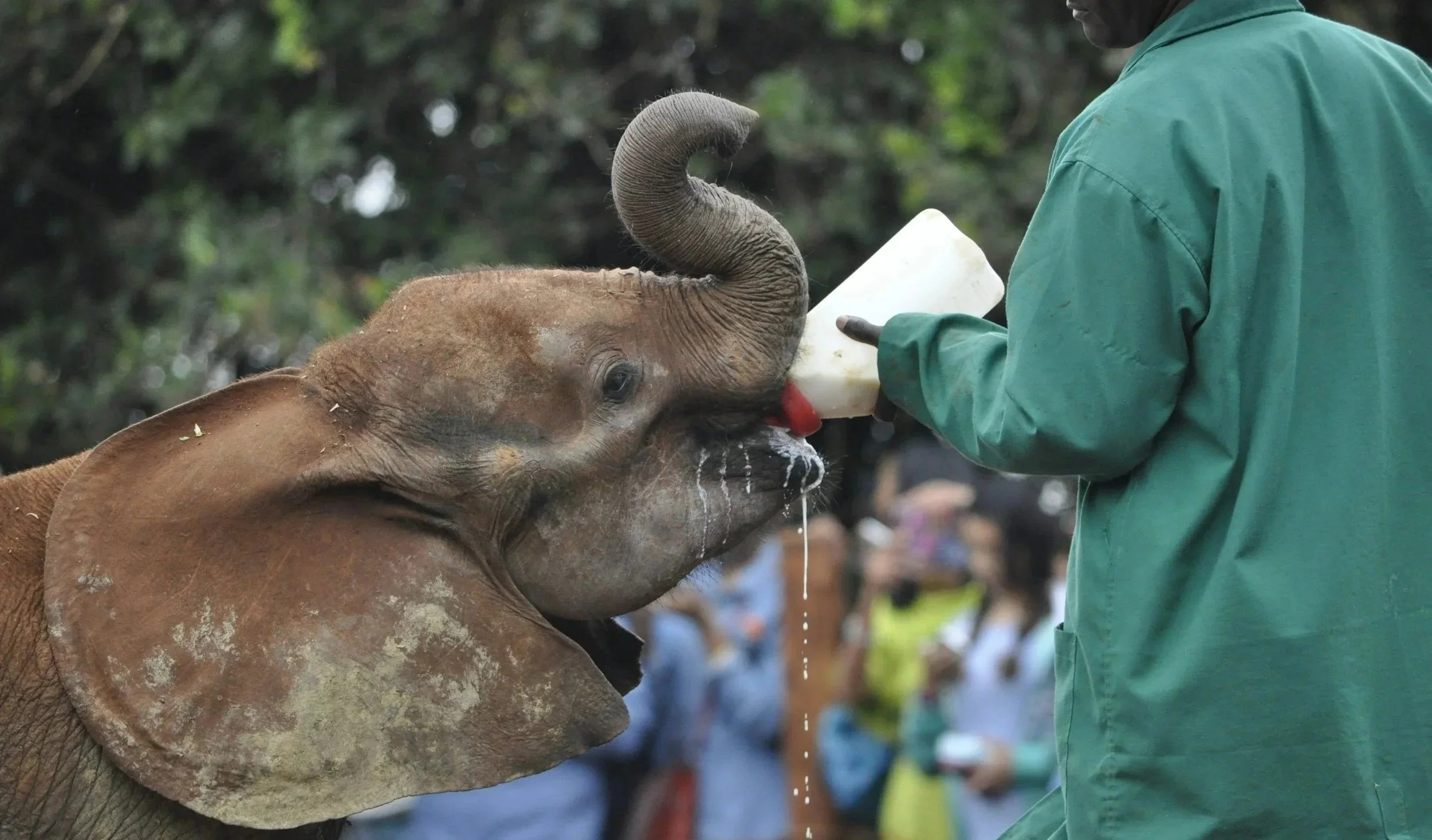
collective stewardship
Sustainable tourism for people, wildlife, and wilderness
ethical safaris focus on wildlife conservation and aim to preserve the sanctity of Kenya’s pristine wilderness
Through guided experiences and thoughtful partnerships, you’ll see firsthand how conservation supports both wildlife and the people who live alongside it.
A Brief History of Conservation in Kenya
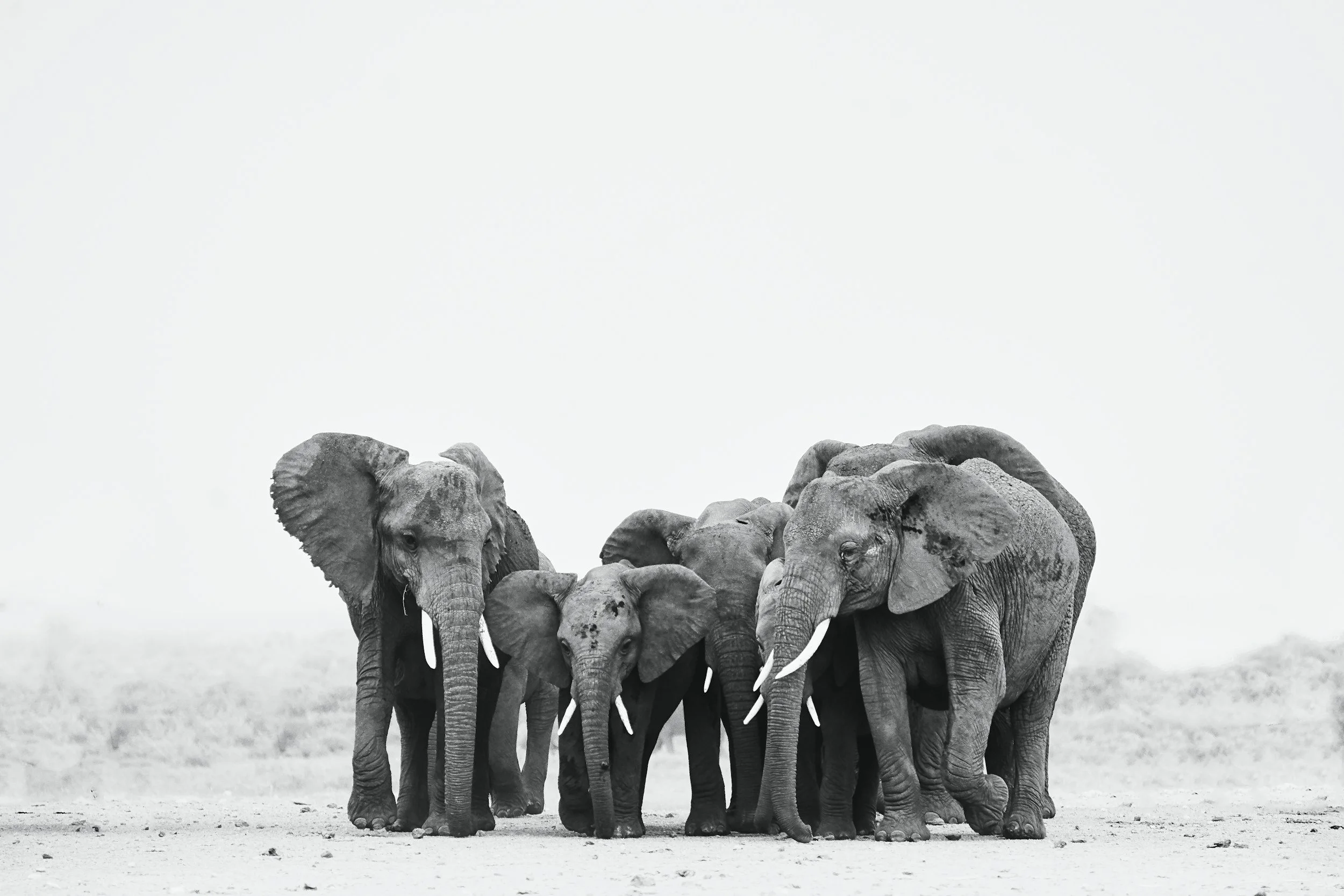
Kenya has long been at the forefront of wildlife conservation in Africa. Early protection efforts began in the mid-20th century with the creation of national parks and reserves, aimed at safeguarding iconic species and landscapes. Over time, conservation has evolved to recognize the essential role of local communities, shifting from protection-only models to more inclusive approaches that balance wildlife preservation with human livelihoods.
National Reserves and Community Conservancies
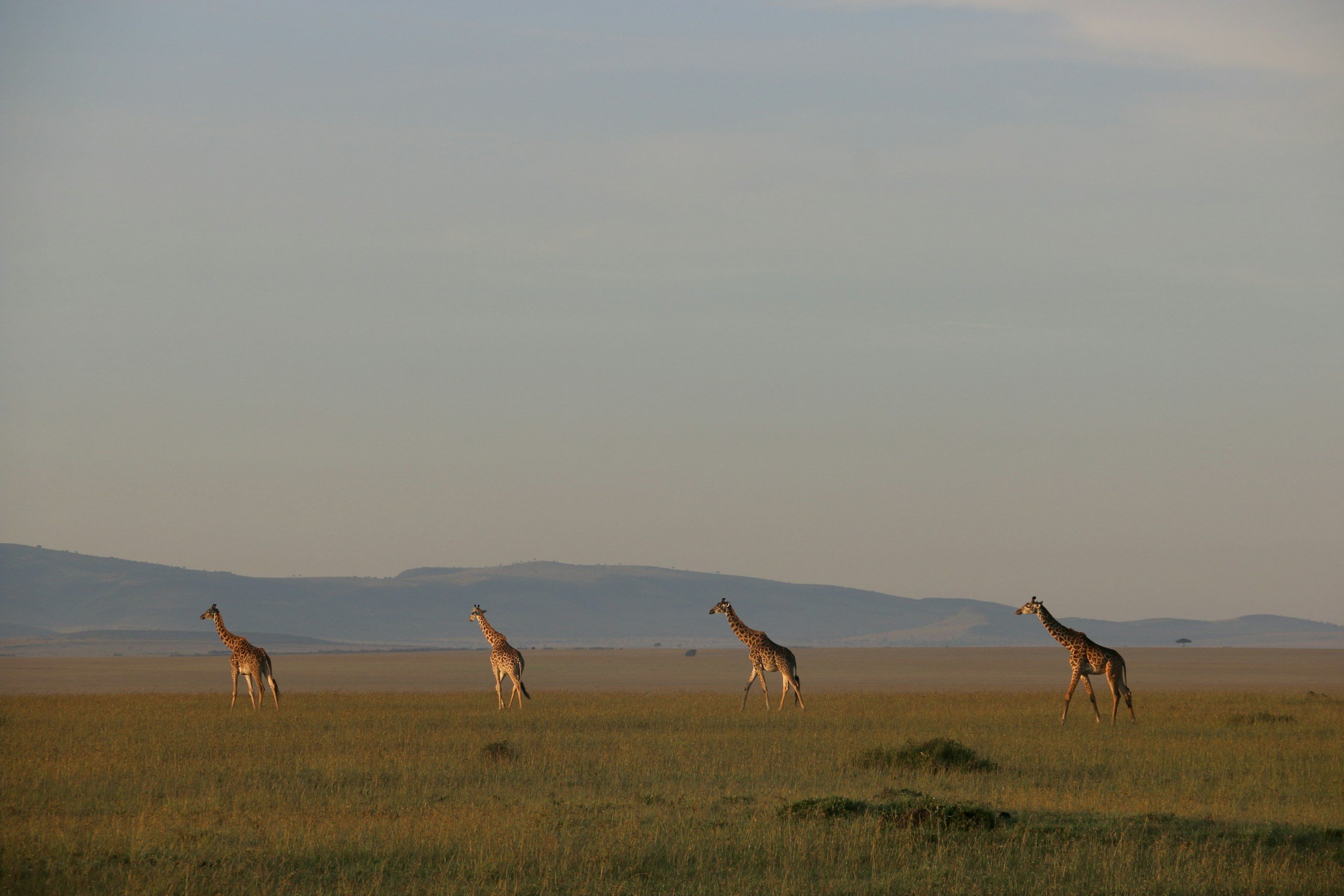
Kenya’s conservation landscape is shaped by both national reserves and community conservancies, each playing a distinct role. National reserves are protected areas managed by government or county authorities, focusing on wildlife protection and tourism. Conservancies, by contrast, are often community-led and operate on private or communal land, where wildlife conservation, sustainable tourism, and local livelihoods are closely linked. Together, these models create a more resilient and interconnected conservation network.
Conservancy Spotlight: Ol Pejeta Conservancy
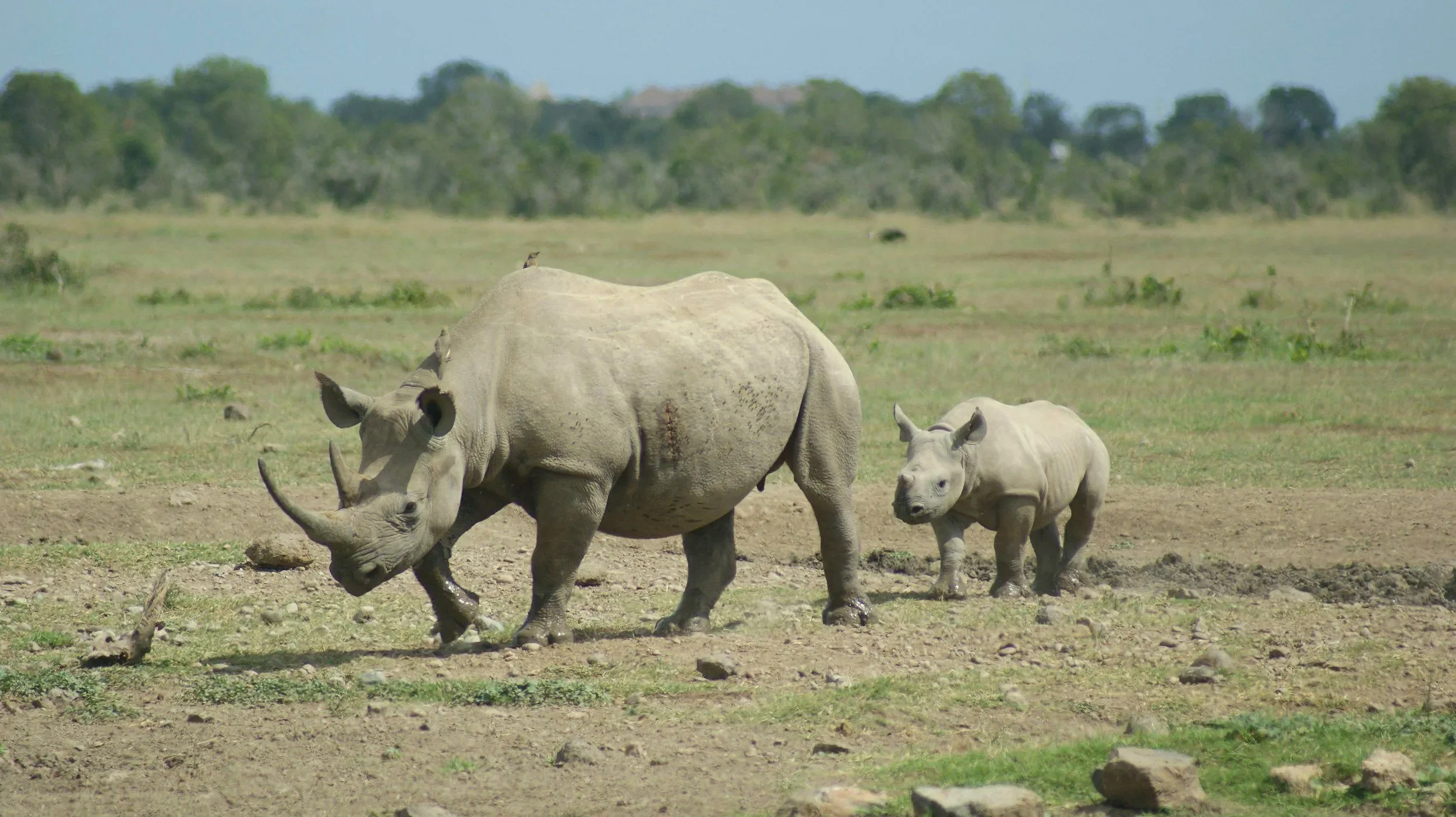
Ol Pejeta Conservancy is widely regarded as a model for integrated conservation in Kenya, demonstrating how wildlife protection, community development, and tourism can work together. Alongside conservation efforts, Ol Pejeta invests in education, healthcare, and sustainable livelihoods for surrounding communities, ensuring that conservation delivers tangible local benefits.
One of its most significant achievements is its leadership in lion tracking initiatives and rhino management, which provide valuable insight into wildlife behavior and long-term conservation planning.
Strong Anti-Poaching Efforts in Kenya
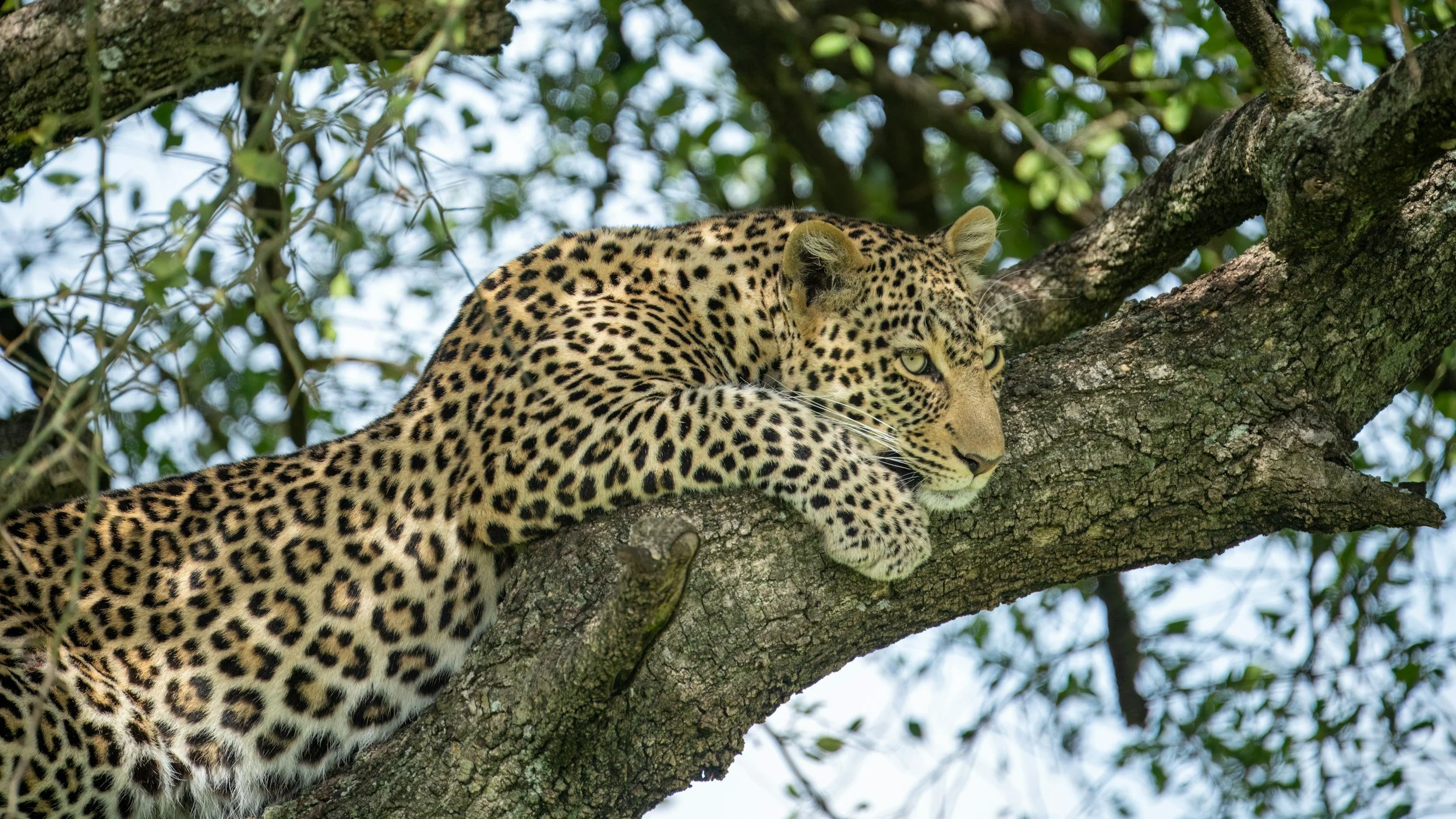
Kenya is widely recognized for its strong, coordinated approach to protecting wildlife, led by government agencies, conservancies, and local communities working together. National parks and reserves, alongside community and private conservancies, play a vital role in safeguarding species most vulnerable to poaching—particularly elephants, rhinos, pangolins, and big cats such as lions and leopards. As a result, Kenya has seen notable declines in poaching incidents in several regions.
Community Conservancies
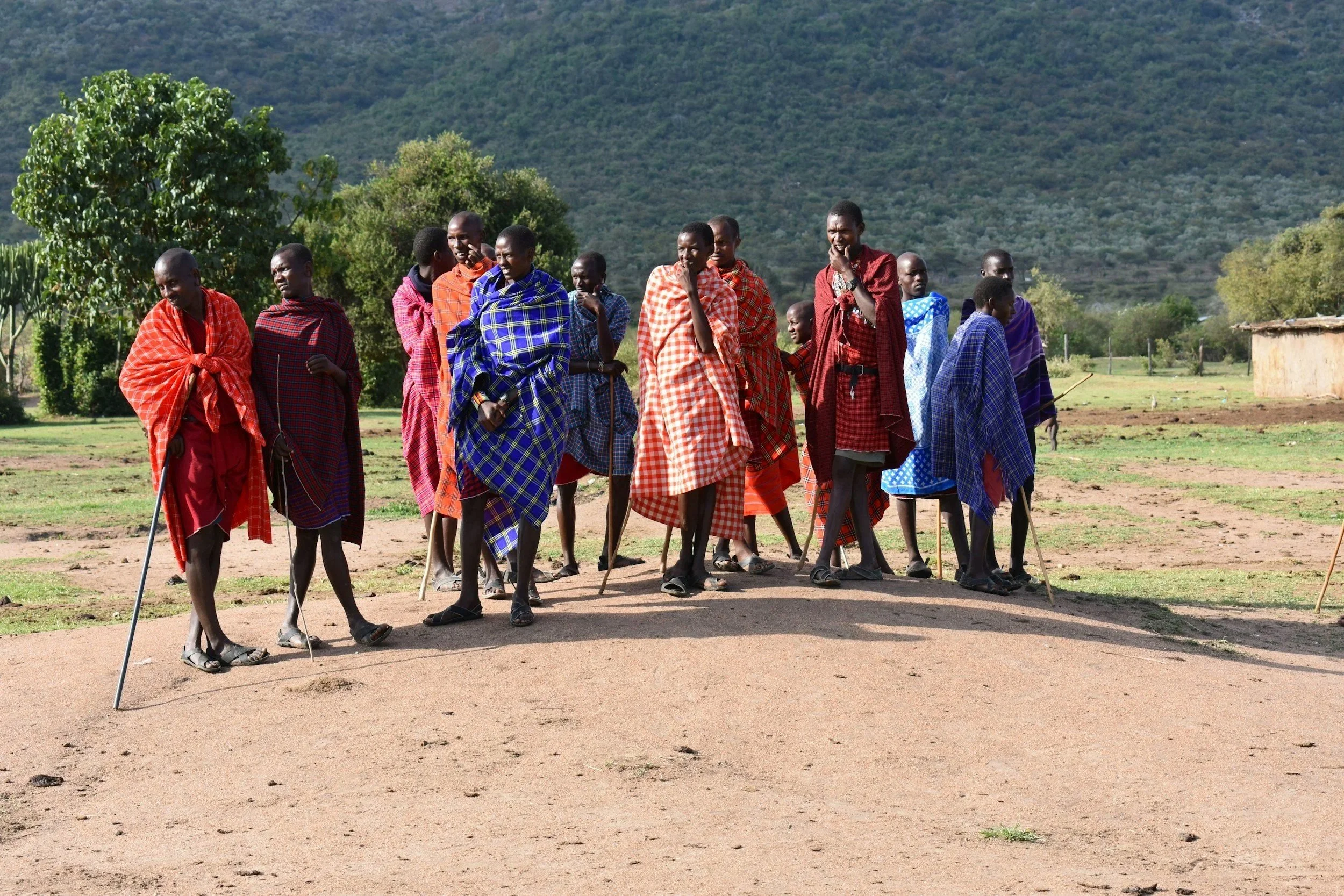
Community conservancies are a cornerstone of Kenya’s conservation success, placing local people at the heart of wildlife protection. Built on communal or privately owned land, these conservancies allow communities to manage natural resources sustainably while benefiting directly from conservation and tourism. By working in partnership with safari operators and conservation organizations, local people share their unique knowledge of the natural environment, gain employment, and long-term incentives to protect wildlife, creating a model where both communities and nature thrive together.
Conservancy Spotlight: Il Ngwesi Conservancy
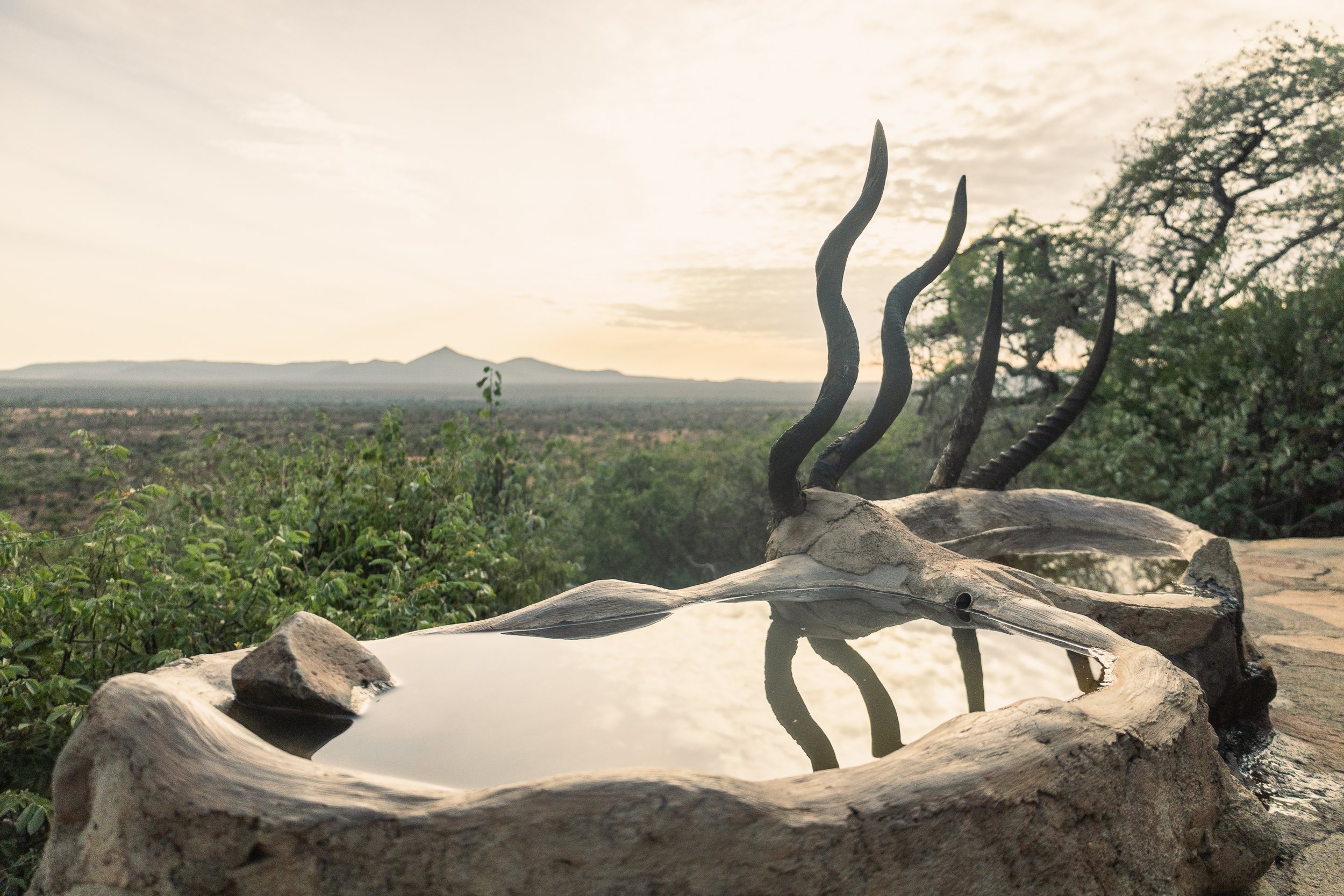
Il Ngwesi Conservancy is a pioneering example of community-led conservation in Kenya and one of the country’s earliest community-owned conservancies. Established by local Maasai communities, Il Ngwesi demonstrates how conservation, cultural heritage, and tourism can work together to protect wildlife while supporting traditional livelihoods.
A key success of Il Ngwesi lies in its approach to land stewardship and coexistence, where wildlife conservation is directly linked to community benefit. Revenue from tourism supports education, healthcare, and sustainable development initiatives, while protecting important wildlife corridors for species such as elephants, giraffes, and plains game. Il Ngwesi stands as a powerful model of conservation rooted in local ownership, responsibility, and long-term resilience.