answer the call of the wild
Witness the Great Wildebeest Migration or the thrill of the hunt. There is always something exciting to see on the savanna!
Look closer to witness the quieter moments, when elusive wildlife and resplendent birdlife reveal themselves in Kenya’s diverse wilderness.
The term “Big Five” was originally coined by big-game hunters to describe the five most difficult animals to hunt on foot. Today, it is used in tourism to highlight Africa’s most iconic species. Kenya’s Big Five are:
The Big Five
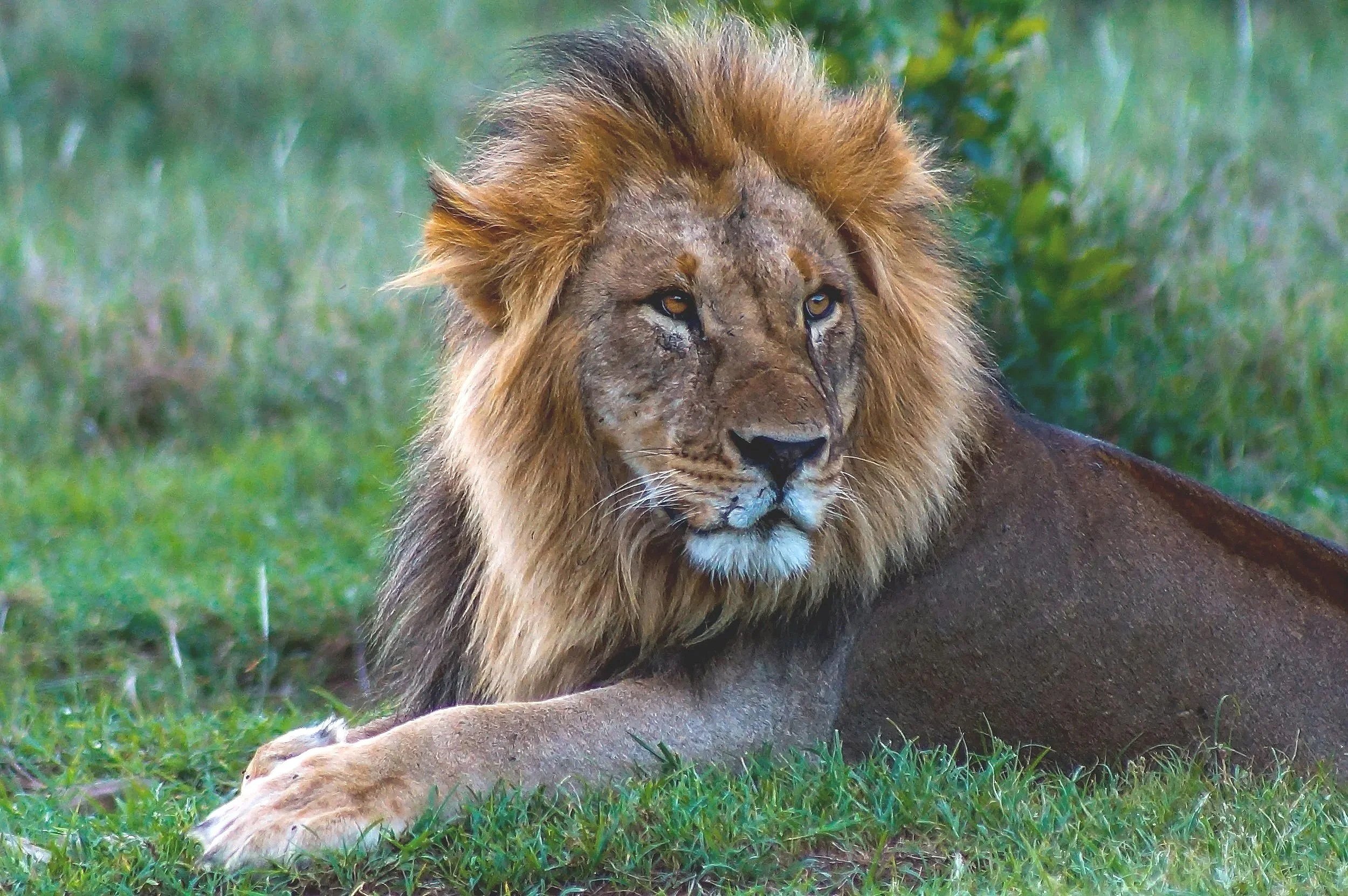
Lion - Africa’s largest predator, found in savannas and open grasslands.
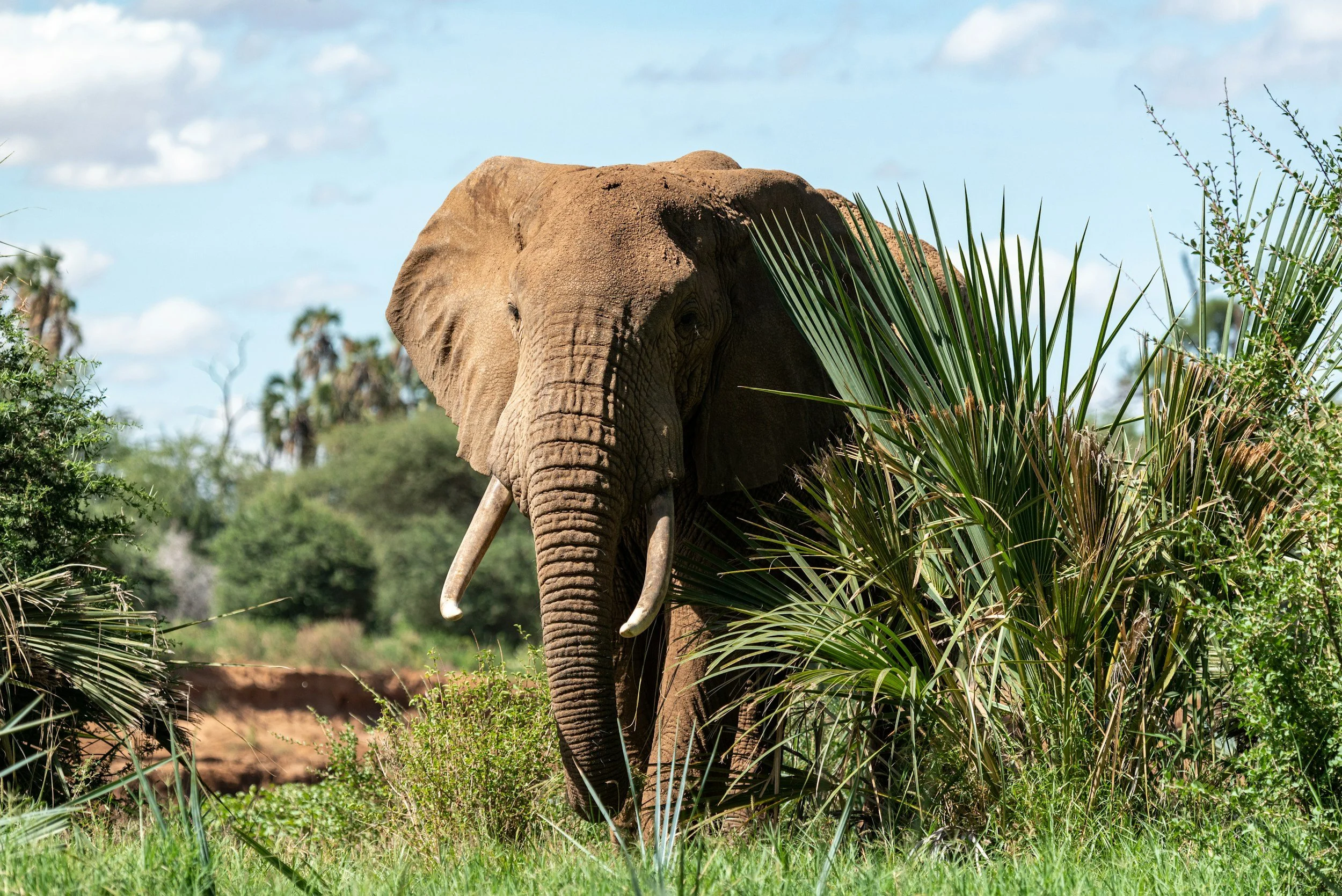
Elephant - The largest land mammal, roaming savannas, forests, and wetlands.
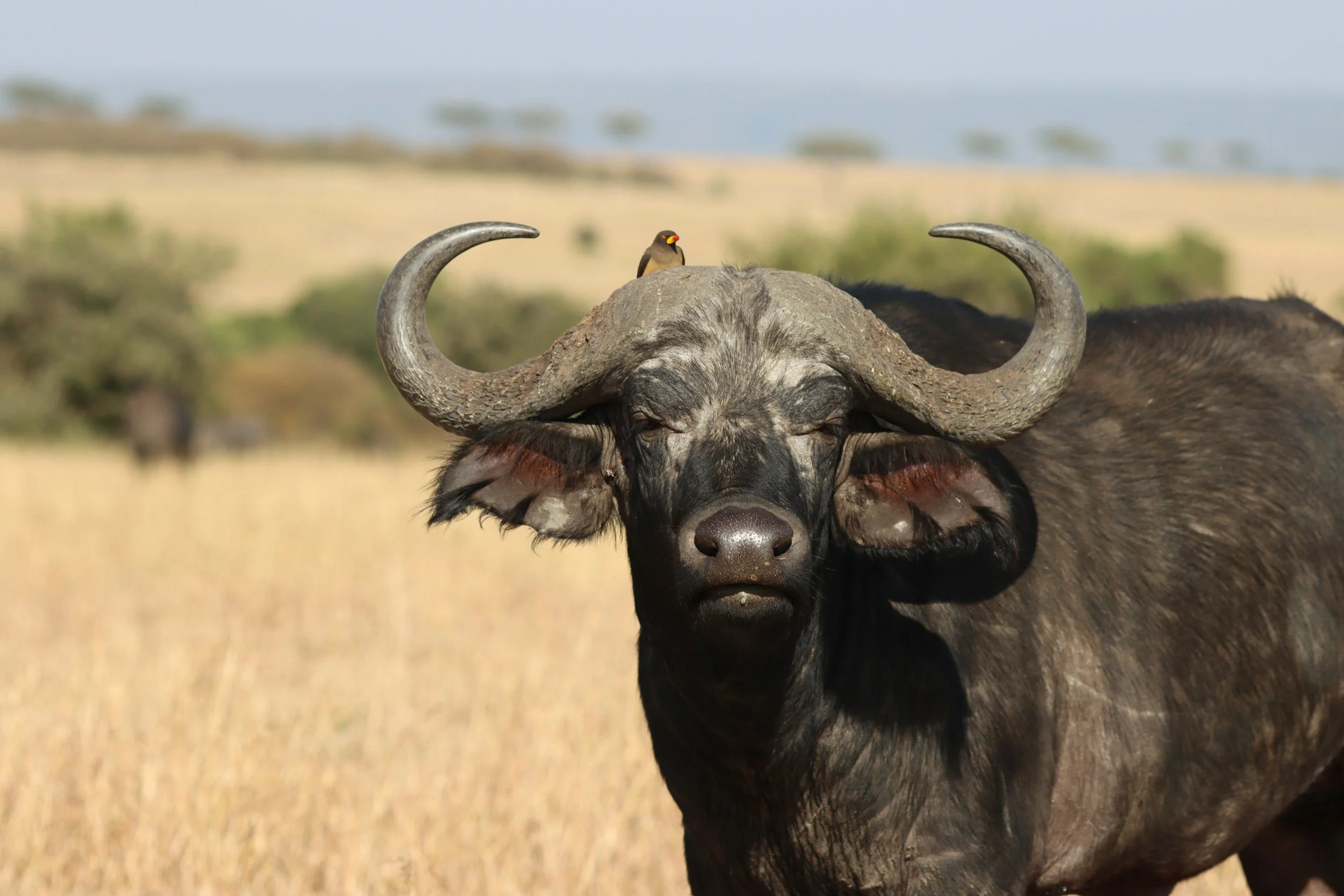
Buffalo - A powerful and unpredictable herbivore, usually in herds on grasslands and riverine areas.
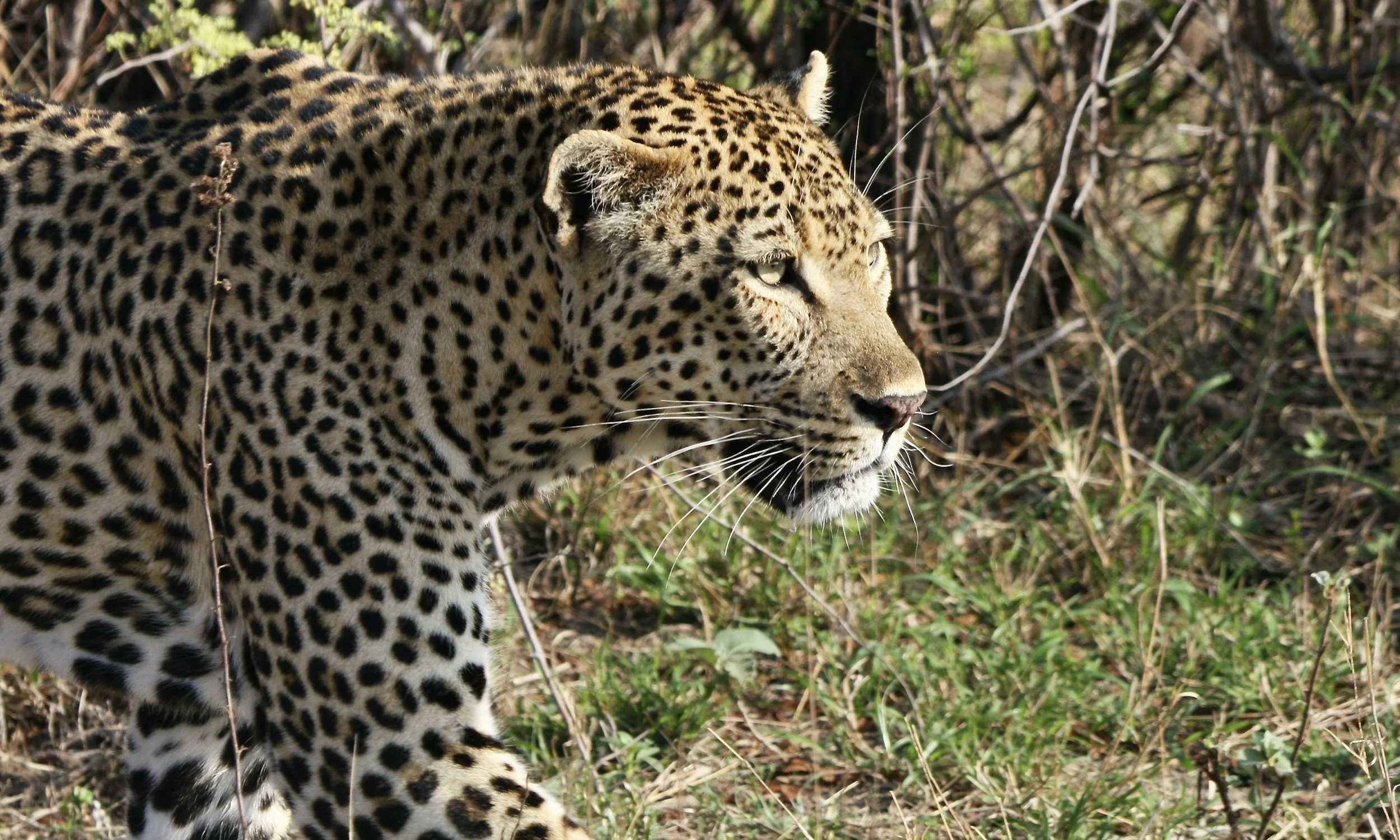
Leopard - A solitary and elusive big cat inhabiting forests, savannas, and rocky areas.
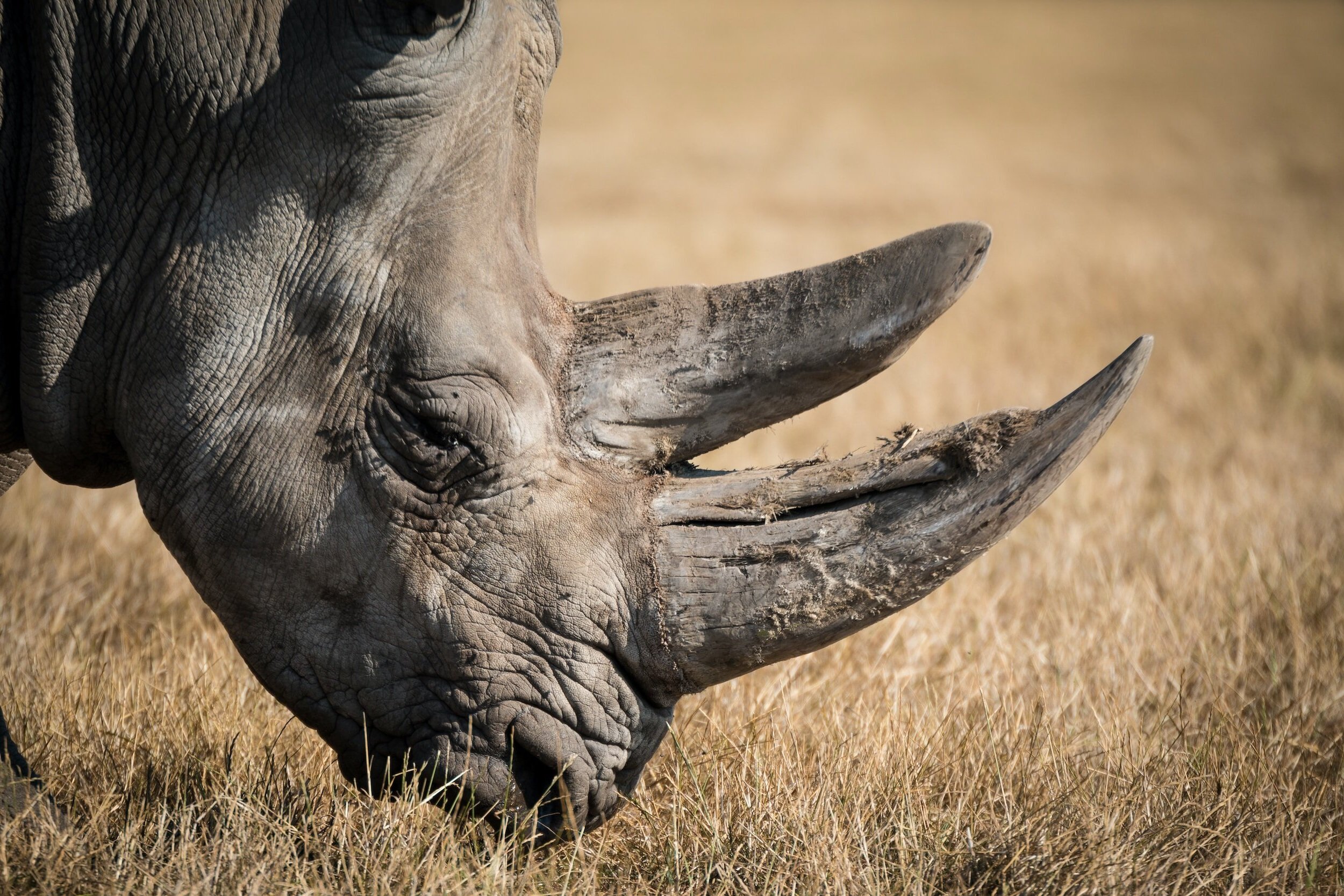
Rhinoceros - Both black and white rhinos are found in Kenya, mainly in protected reserves due to their endangered status.
The Big Five now symbolize wildlife conservation, safari adventure, and iconic African species, making them a centerpiece of Kenya’s wildlife experiences.
The Great Wildebeest Migration
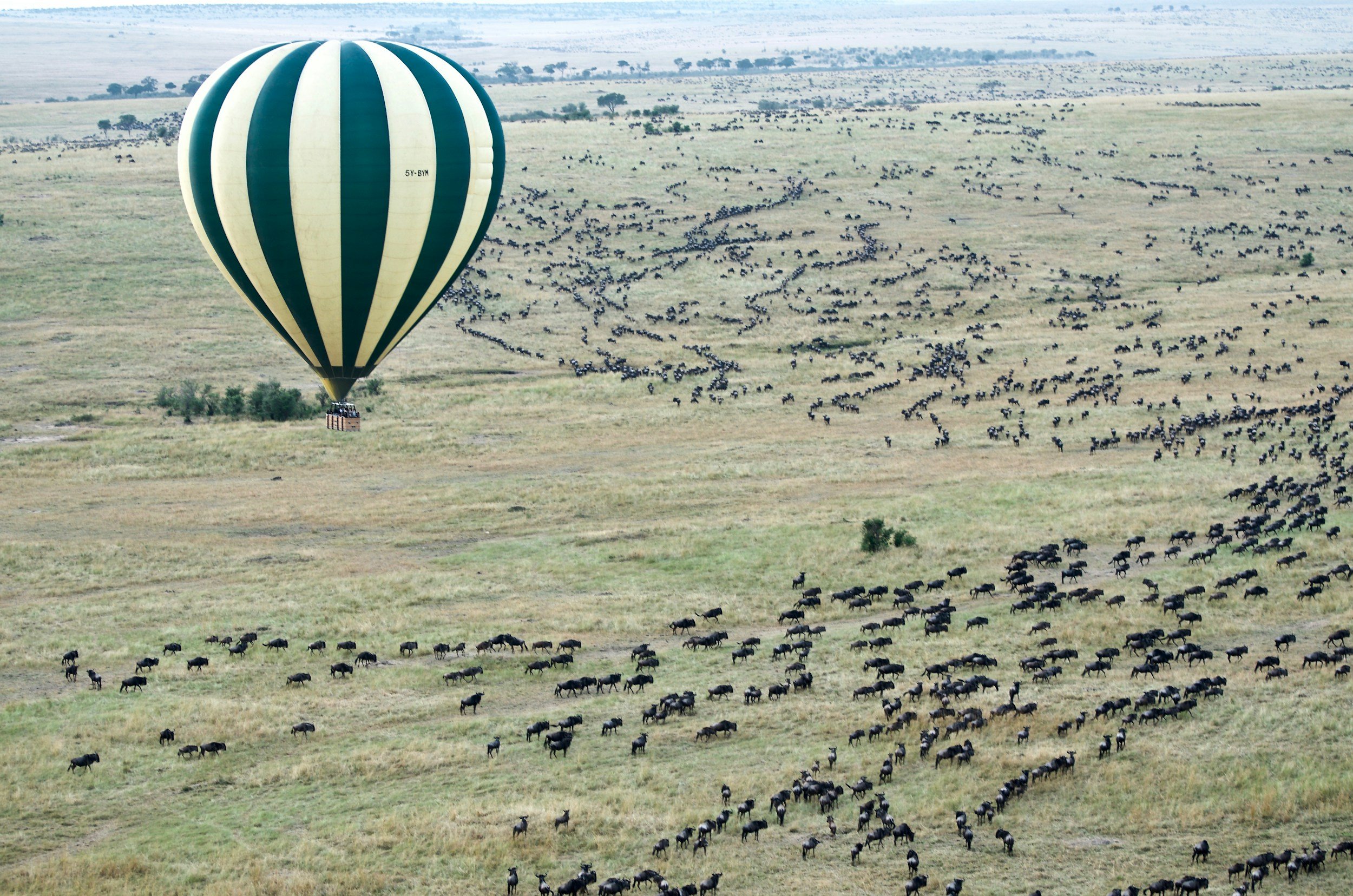
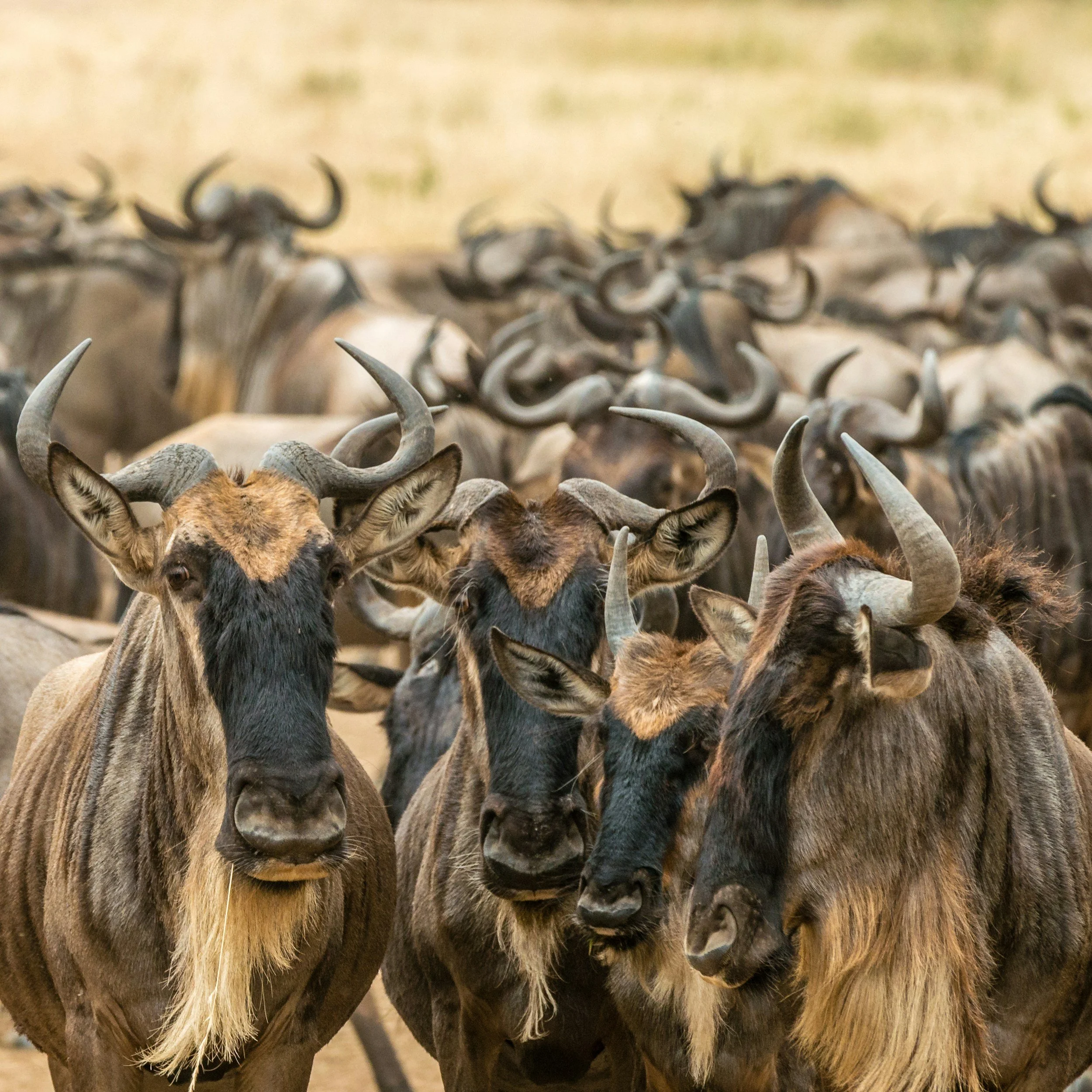
Each year, over a million wildebeest undertake the world’s largest terrestrial mammal migration, moving across the Serengeti-Mara ecosystem, a vast cross-border landscape spanning northern Tanzania and southwestern Kenya. Guided by seasonal rainfall and grass growth, wildlife moves freely within this connected system. The migration is not a single journey but a year-round ecological process that sustains both grazing animals and predators across the ecosystem.
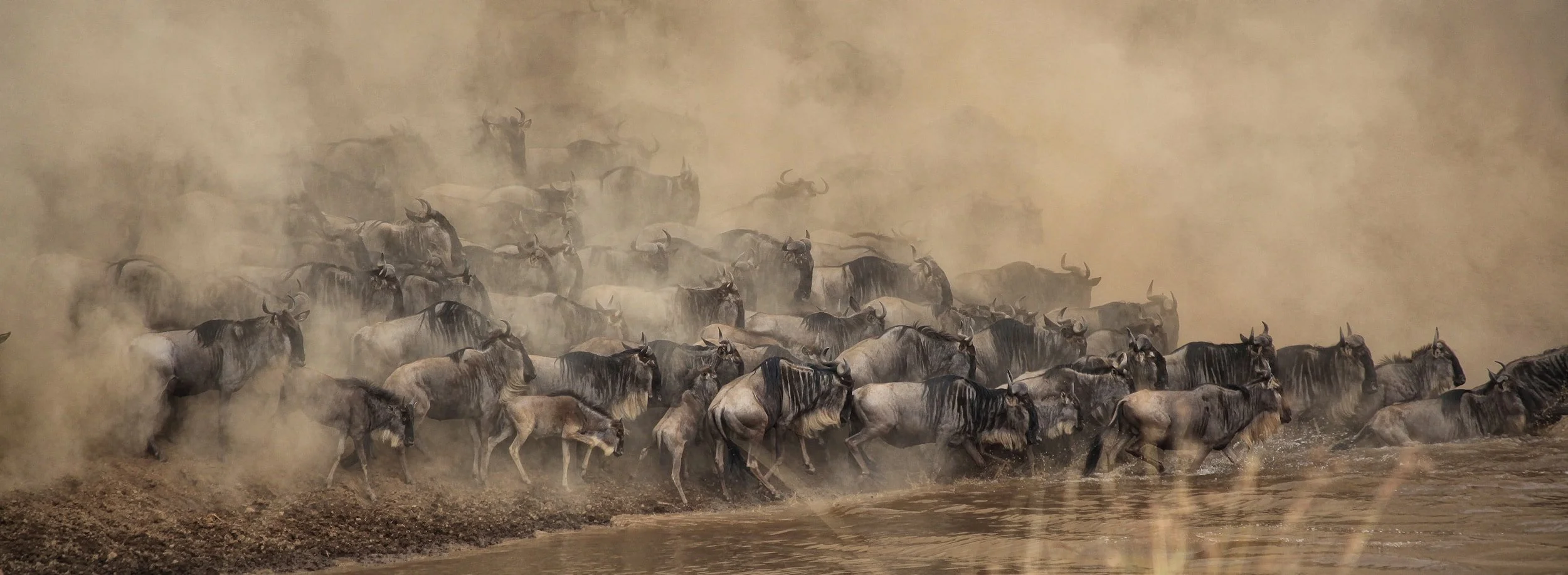
In Kenya, the migration attracts visitors from around the world to witness one of the most amazing wildlife spectacles on Earth. It is most visible in the Maasai Mara, typically between July and October, when herds can be seen crossing the Mara River.
Predators
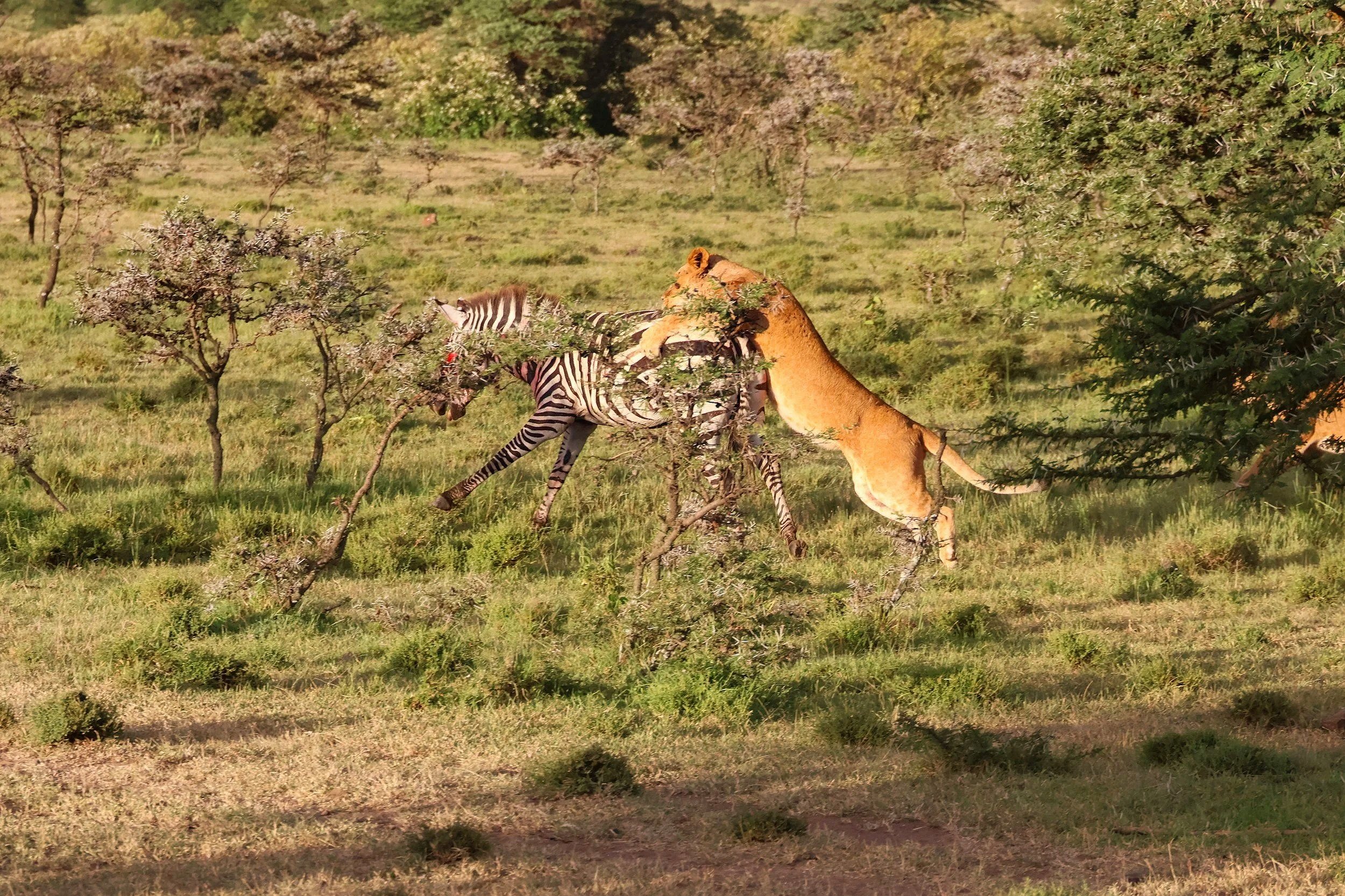
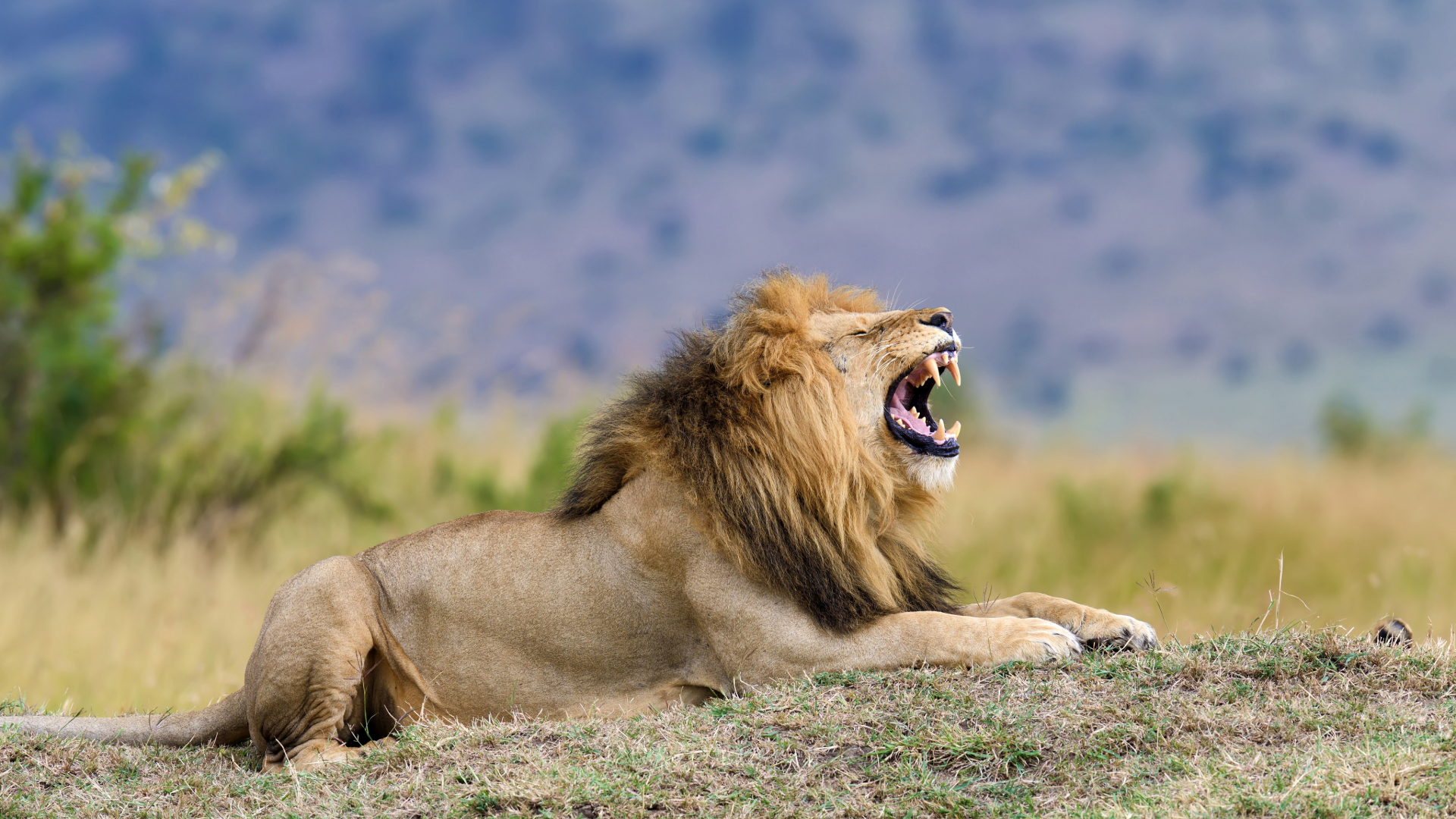
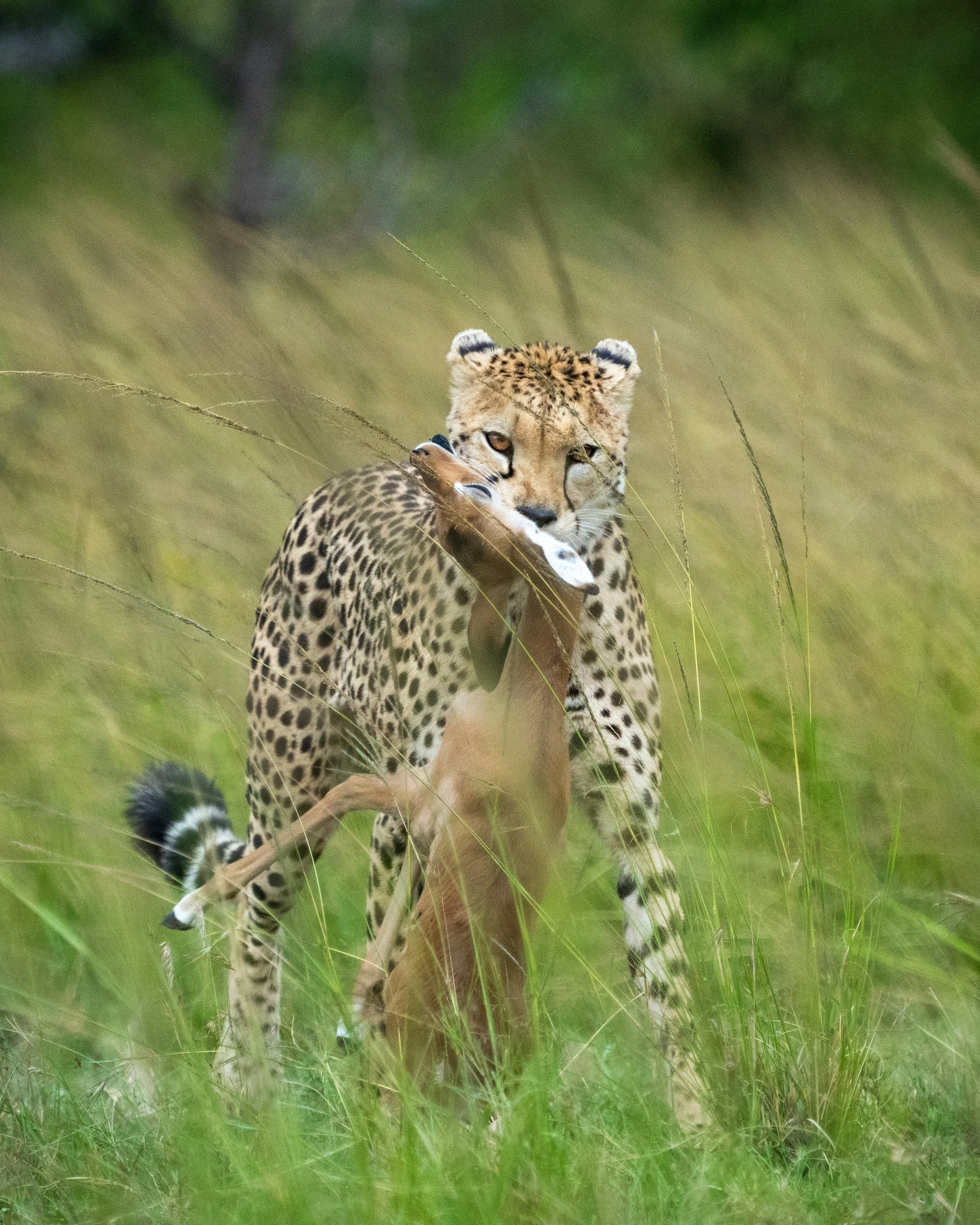
Predators play a critical role in maintaining healthy ecosystems by regulating herbivore populations and influencing animal movement and behavior. Lions, leopards, cheetahs, and spotted hyenas are the most visible large predators in Kenya, primarily found in savannas and open plains where prey species are abundant. Each occupies a distinct ecological niche, from lions hunting cooperatively to cheetahs relying on speed and open terrain.
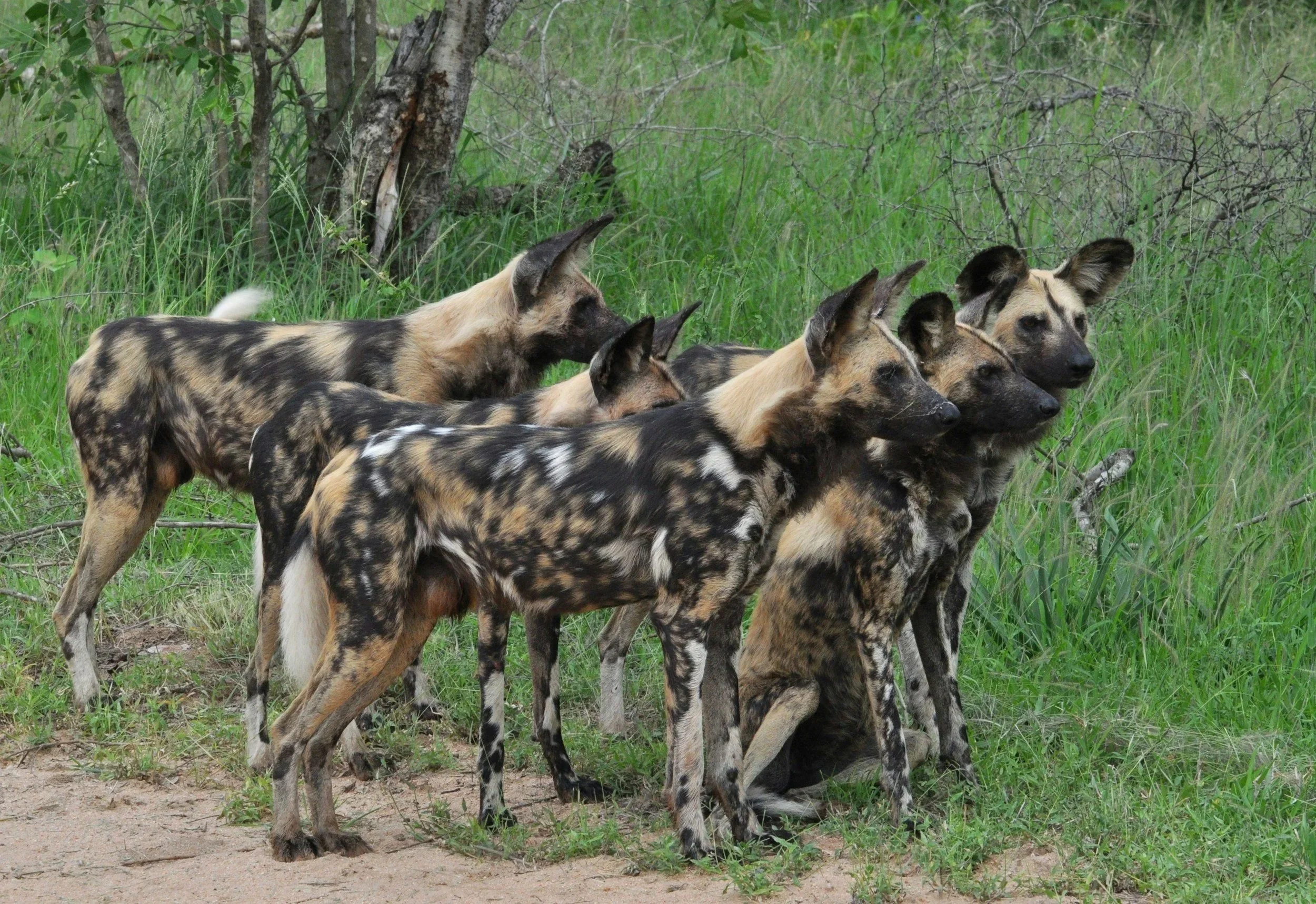
African wild dogs, can be found in protected areas where focused conservation has supported their return. Witnessing a hunt - or the moments leading up to one - is among the most intense and memorable safari experiences, offering a rare glimpse into the raw dynamics of predator and prey that define life on the savanna.
Plains Animals
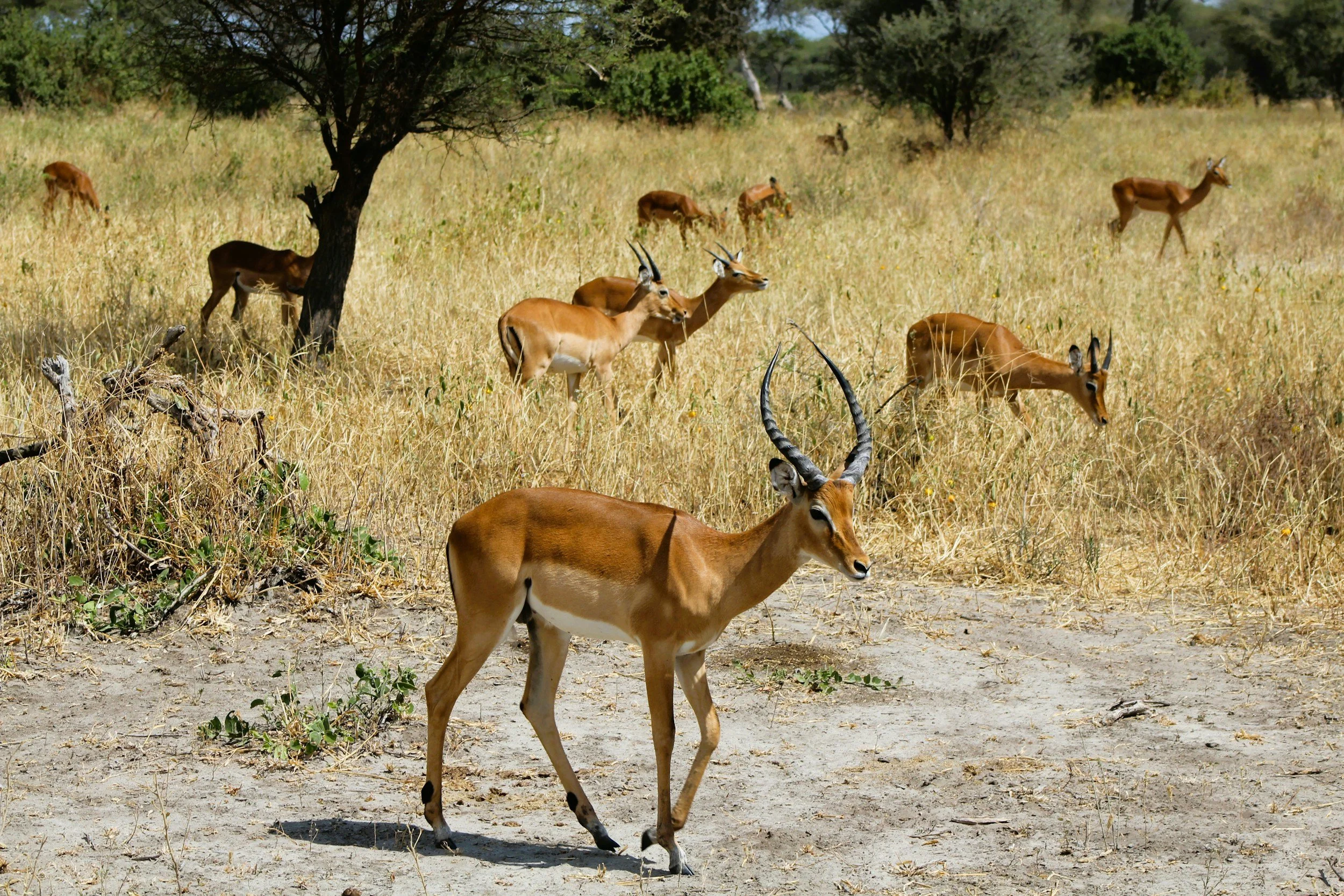
Kenya’s open plains support large populations of grazing and browsing animals that form the foundation of the savanna ecosystem. Species such as wildebeest, plains zebra, giraffe, eland, impala, gazelles, and warthogs are commonly found across grasslands in areas like the Maasai Mara, Amboseli, and Laikipia. While many plains animals move seasonally in response to rainfall and grazing conditions, warthogs are more resident, relying on burrows and localized feeding areas, yet still play an important role in supporting predator populations.
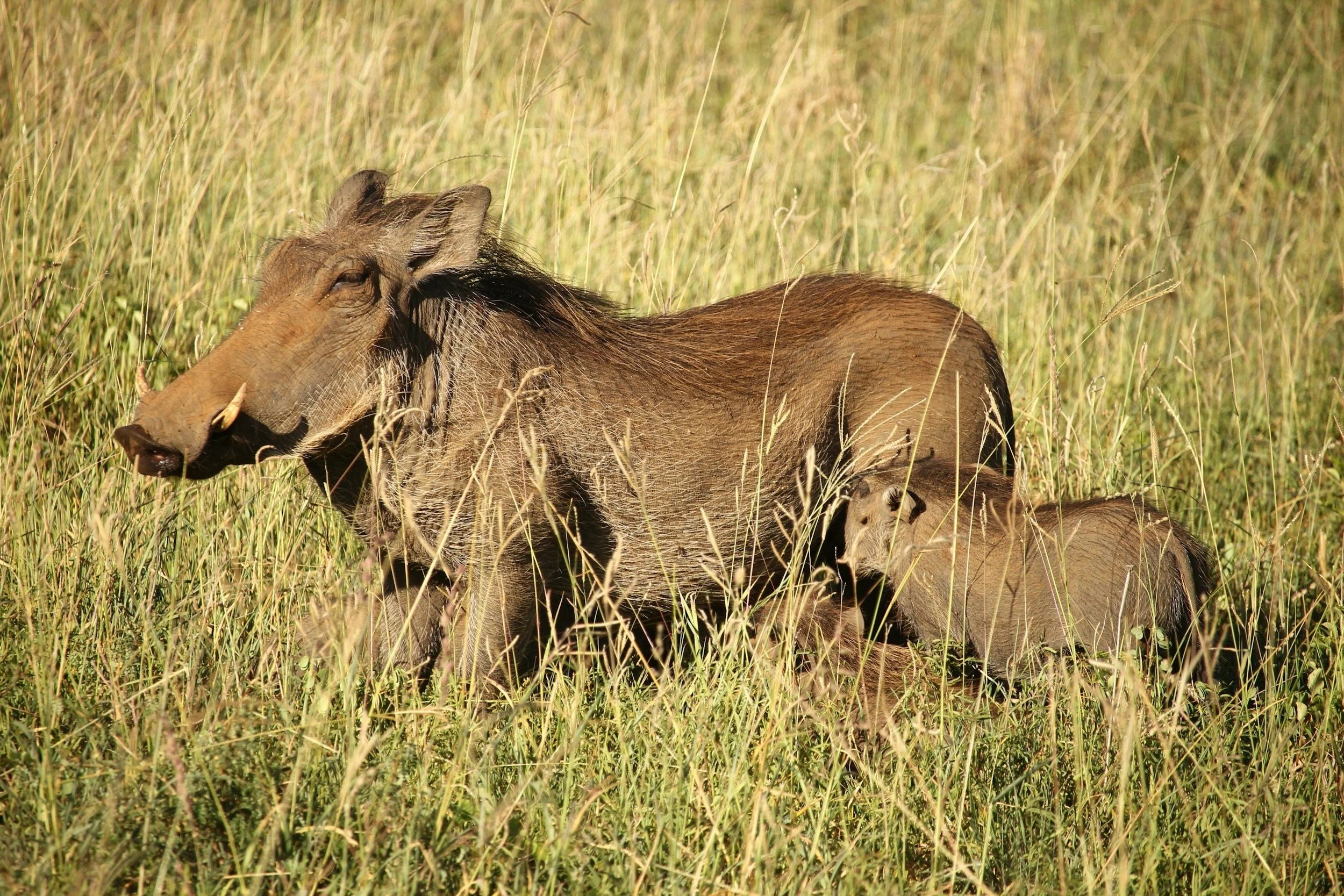
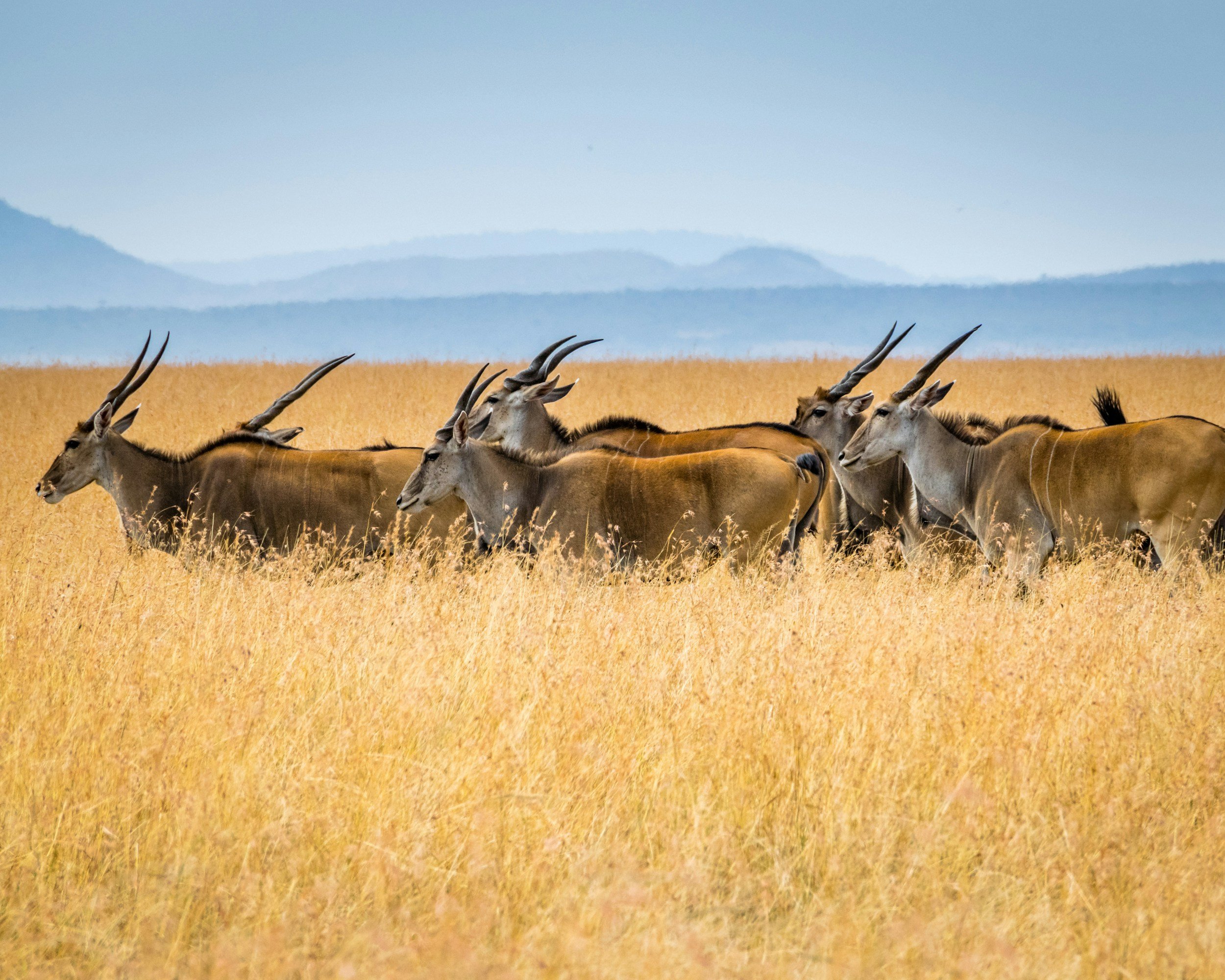
Thomson’s gazelles are fast-moving grazers commonly seen in large numbers. Eland are the largest antelope species and move in small herds across open plains and woodlands, and warthogs are highly adaptable omnivores often observed feeding in open grasslands.
Birds of Kenya
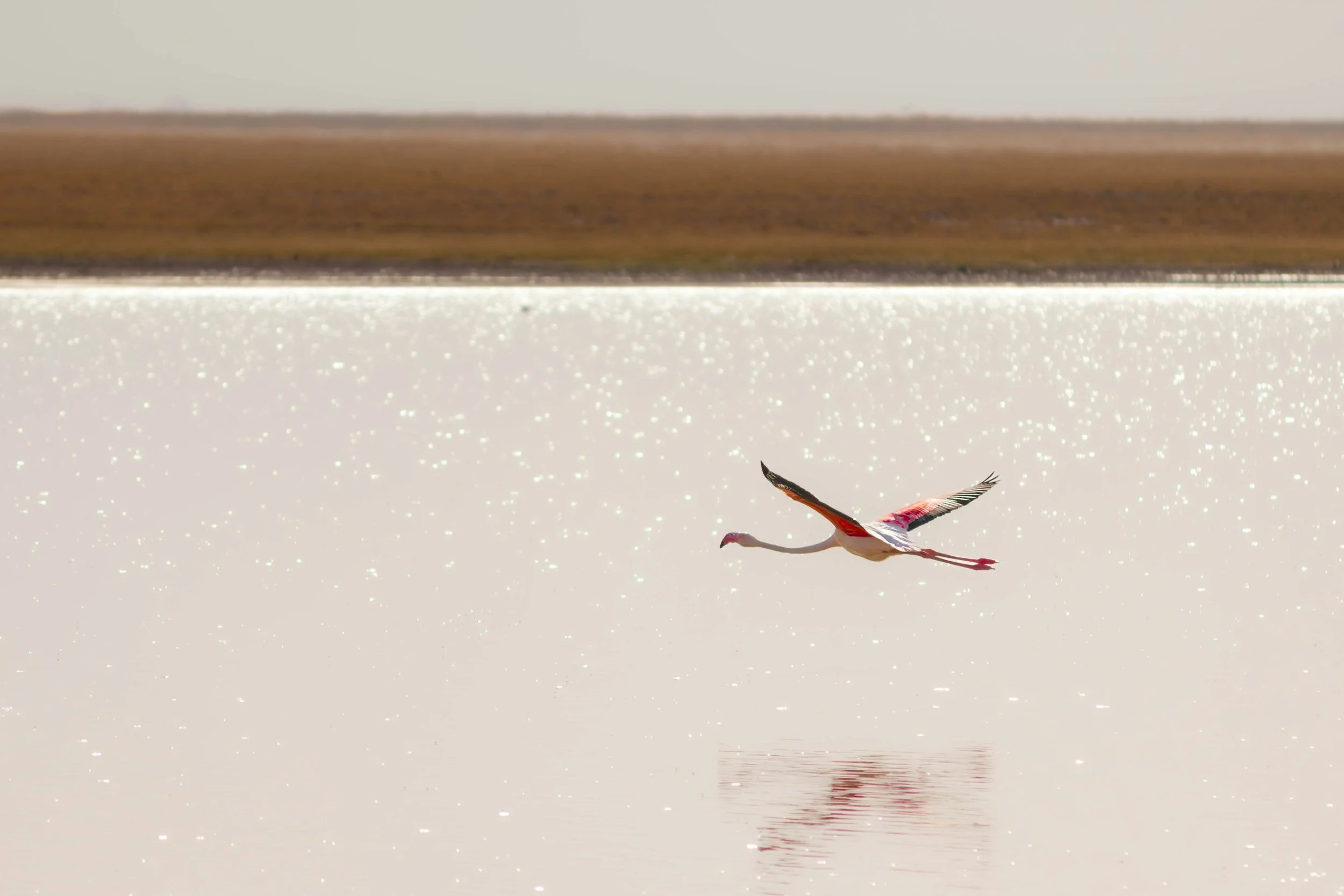
Kenya is one of Africa’s premier birding destinations, with over 1,000 recorded bird species found across its diverse habitats. From soda and freshwater lakes to savannas, forests, wetlands, and coastal regions, the country supports both resident and migratory birds throughout the year. This diversity makes Kenya accessible to casual birdwatchers while also appealing to experienced birders.
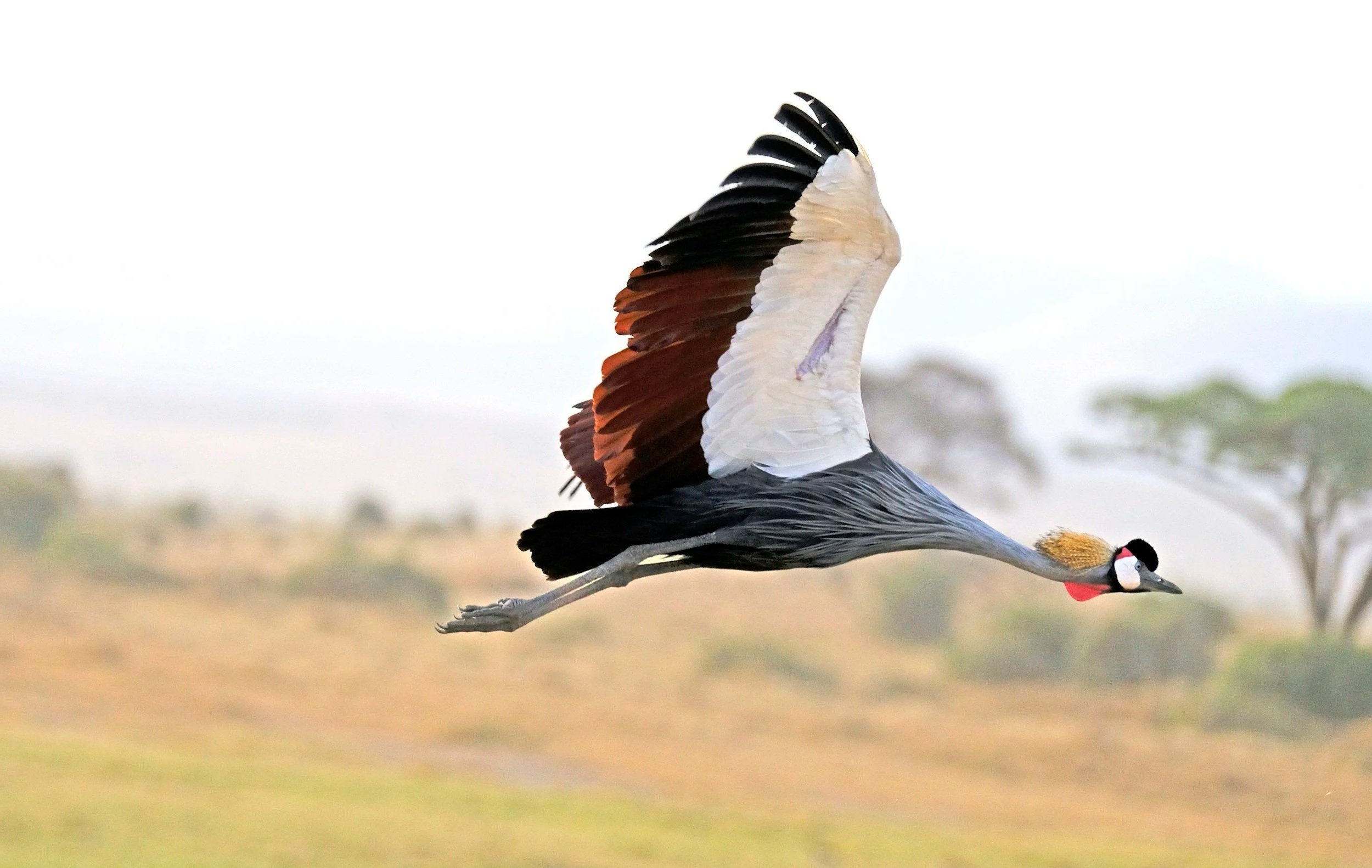
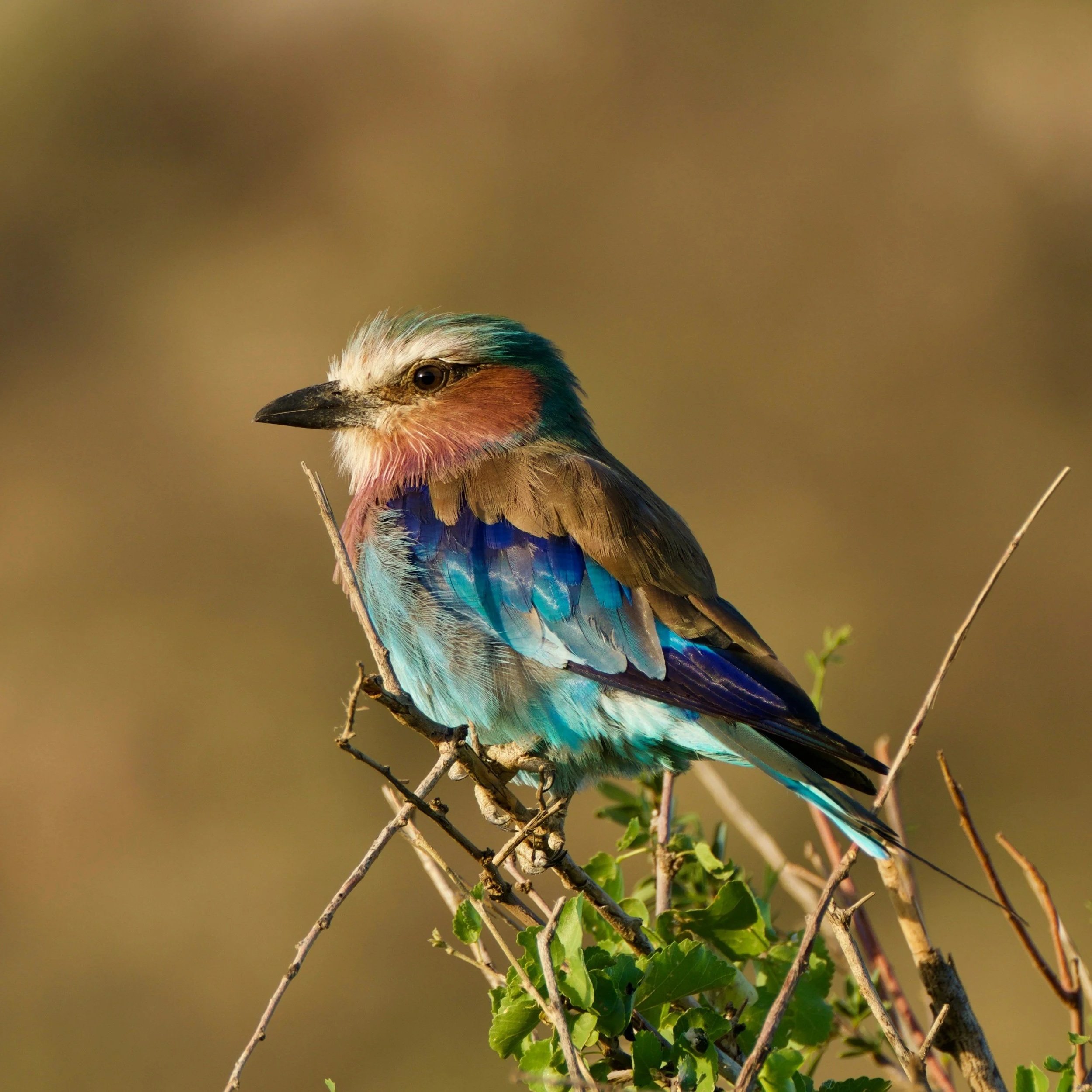
Iconic species include the Grey crowned crane, often found in wetlands and open grasslands, flamingos, which gather in large numbers on Kenya’s soda lakes, and the Lilac-breasted roller, a colorful and easily recognizable bird of the savanna. Together, these species reflect the diversity, adaptability, and visual impact of Kenya’s birdlife.
Northern Special Five
Unlike the Big Five, this grouping refers to a group of rare and regionally distinctive species found primarily in northern Kenya. It highlights animals adapted to semi-arid and arid environments. Northern Special Five are:
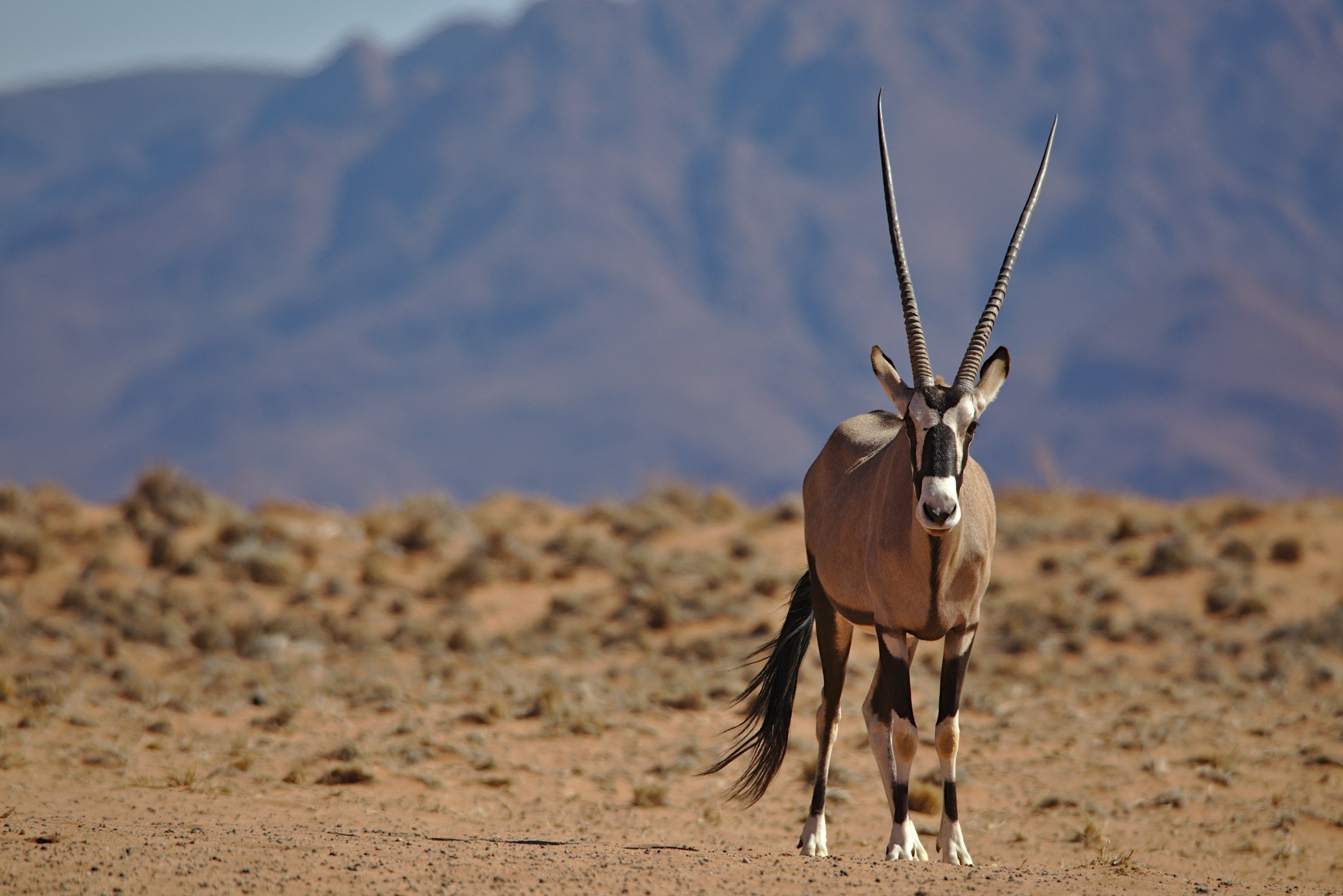
Beisa Oryx - A desert-adapted antelope with long, straight horns.
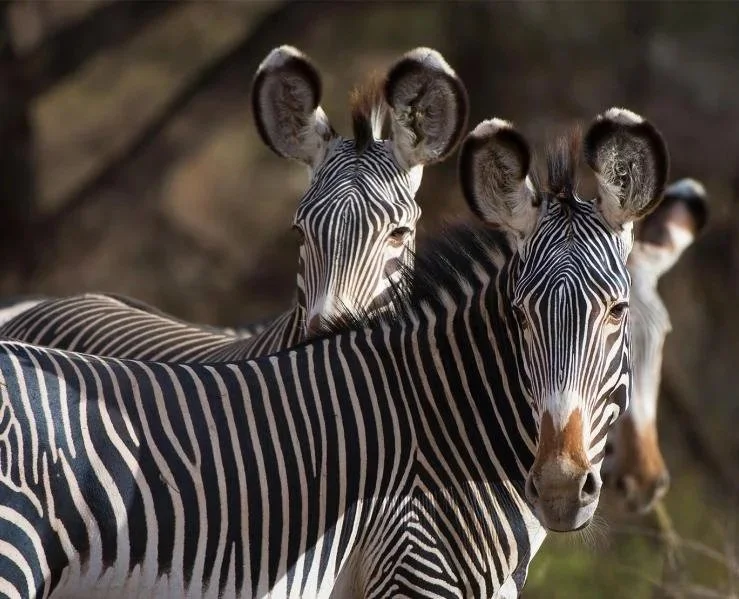
Grevy’s Zebra - The largest and most endangered zebra species, known for its Mickey Mouse ears and refined stripes.
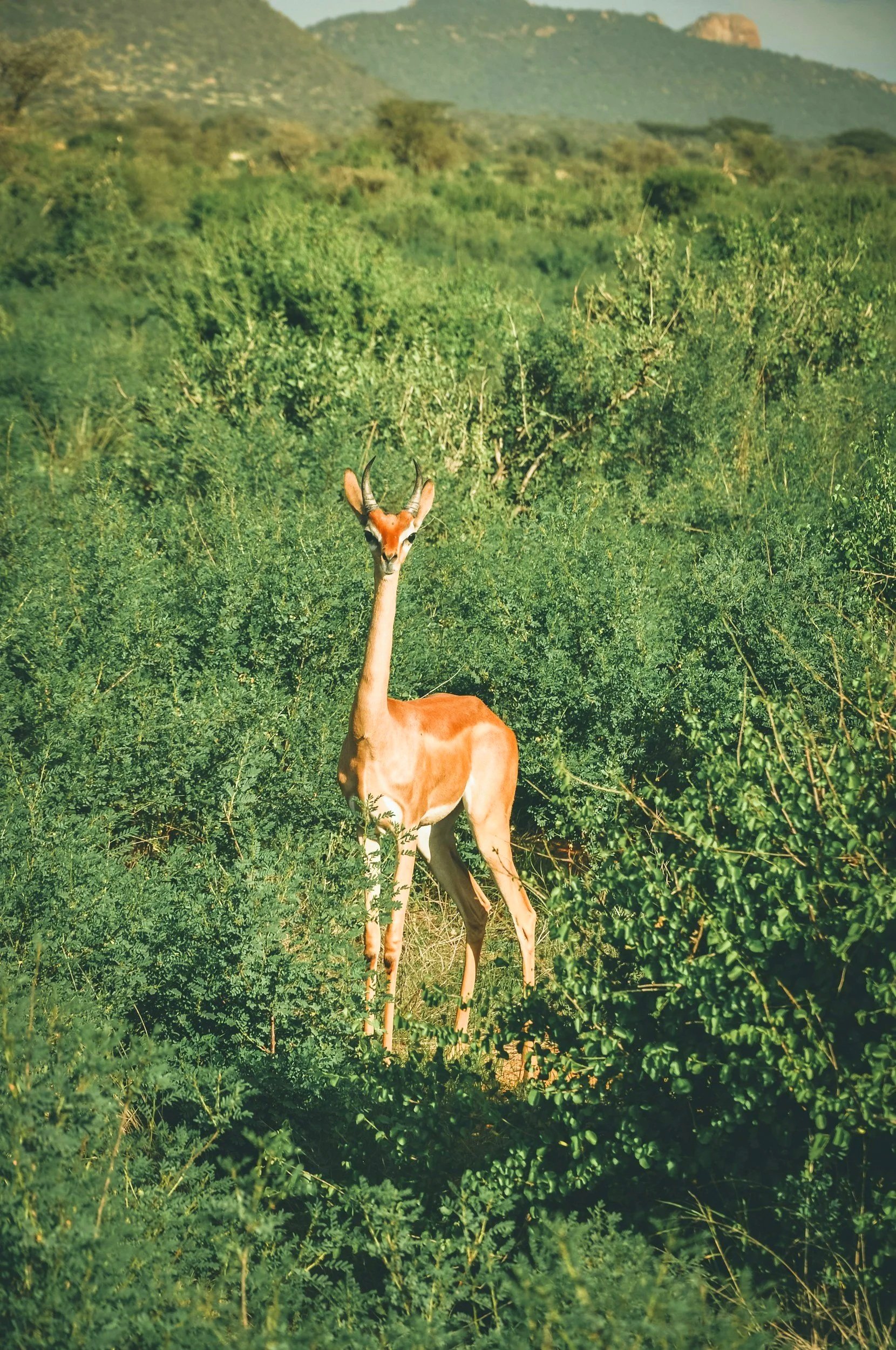
Gerenuk - Known for its long neck and ability to browse while standing on its hind legs.
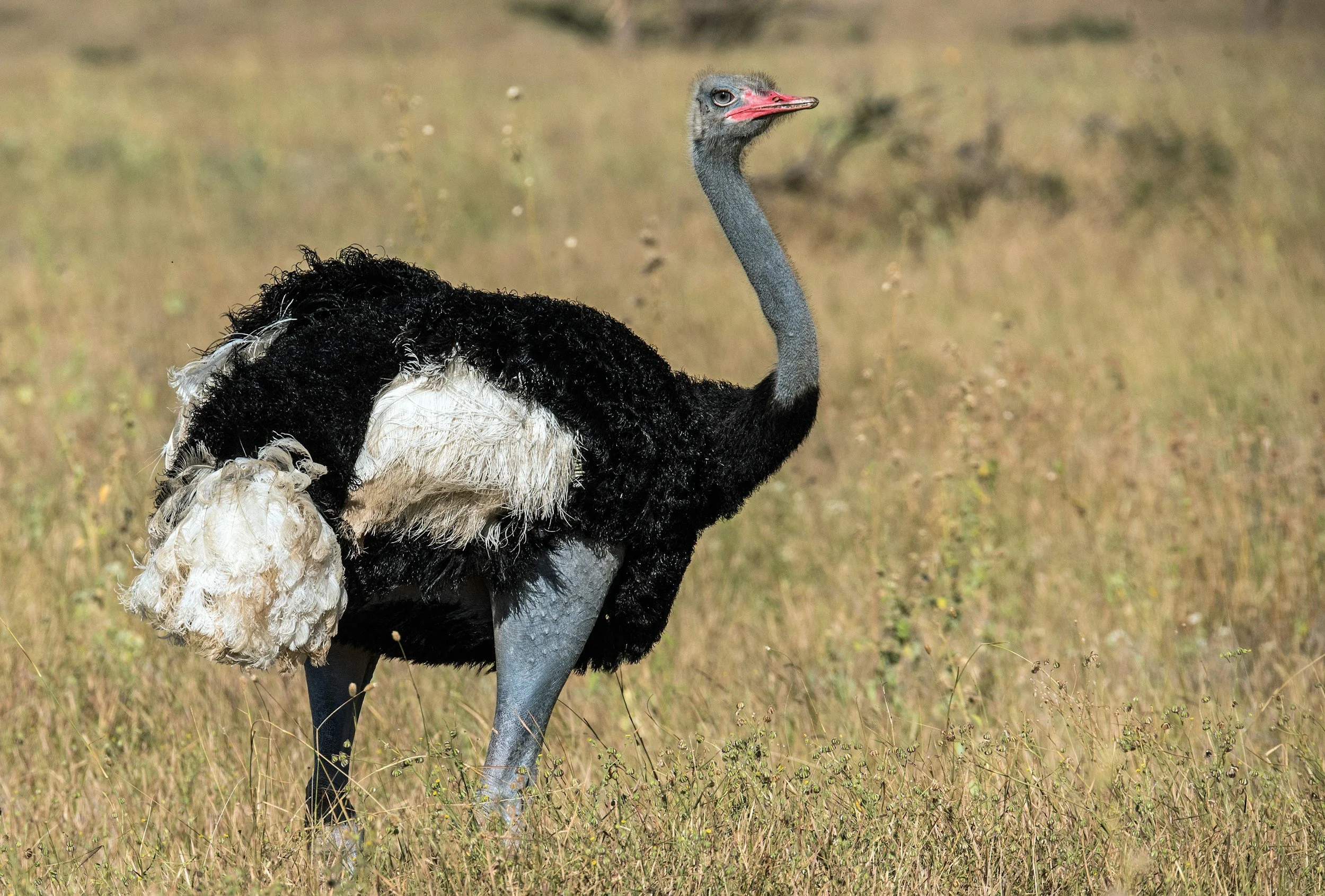
Somali Ostrich - Distinct from other ostrich species, identified by its blue-gray neck and legs in males.
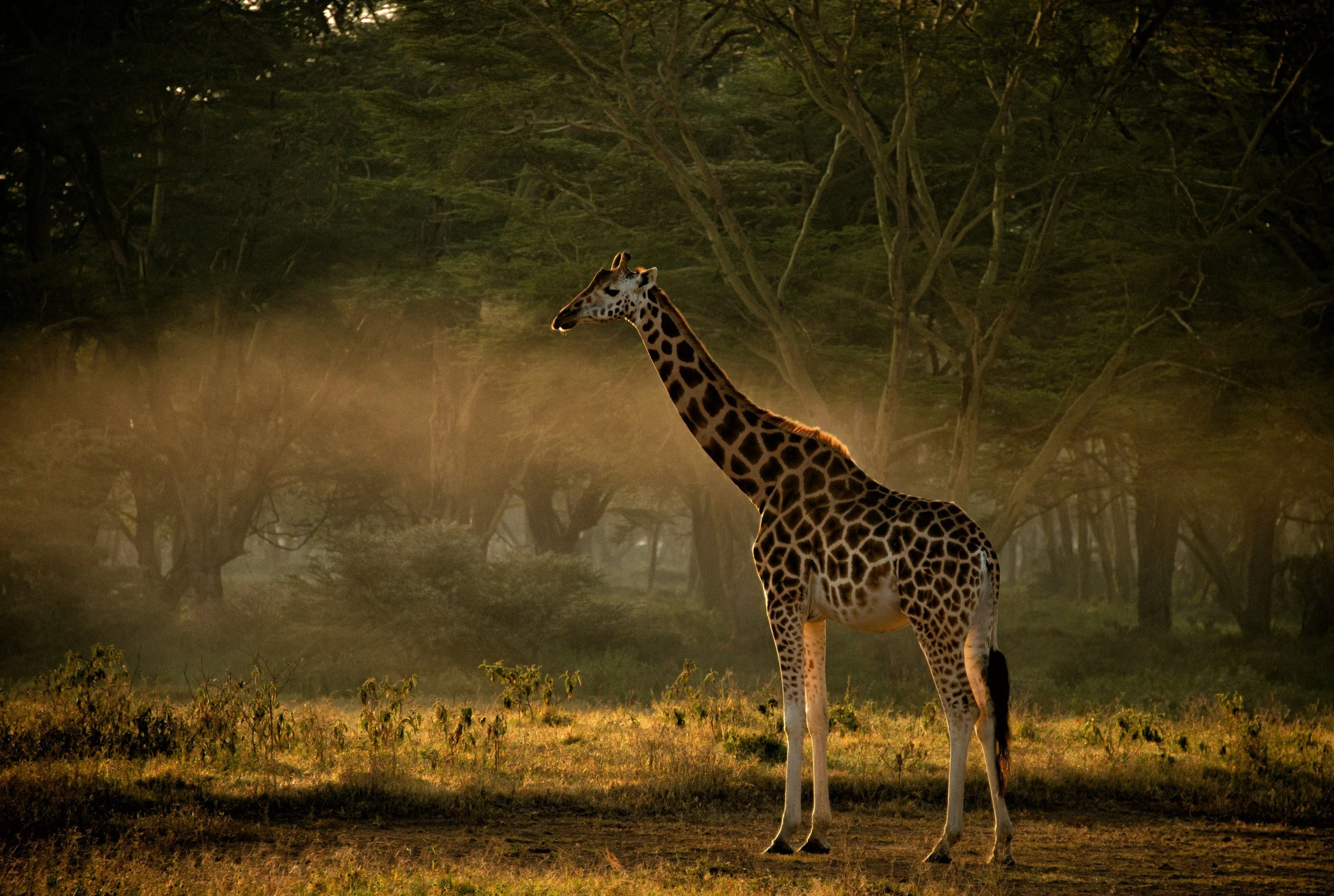
Reticulated Giraffe - Recognized by its striking geometric coat pattern.
The Northern Special Five highlight Kenya’s less-visited northern regions, offering diverse safari experiences focused on rare species, and remote landscapes.
Primates
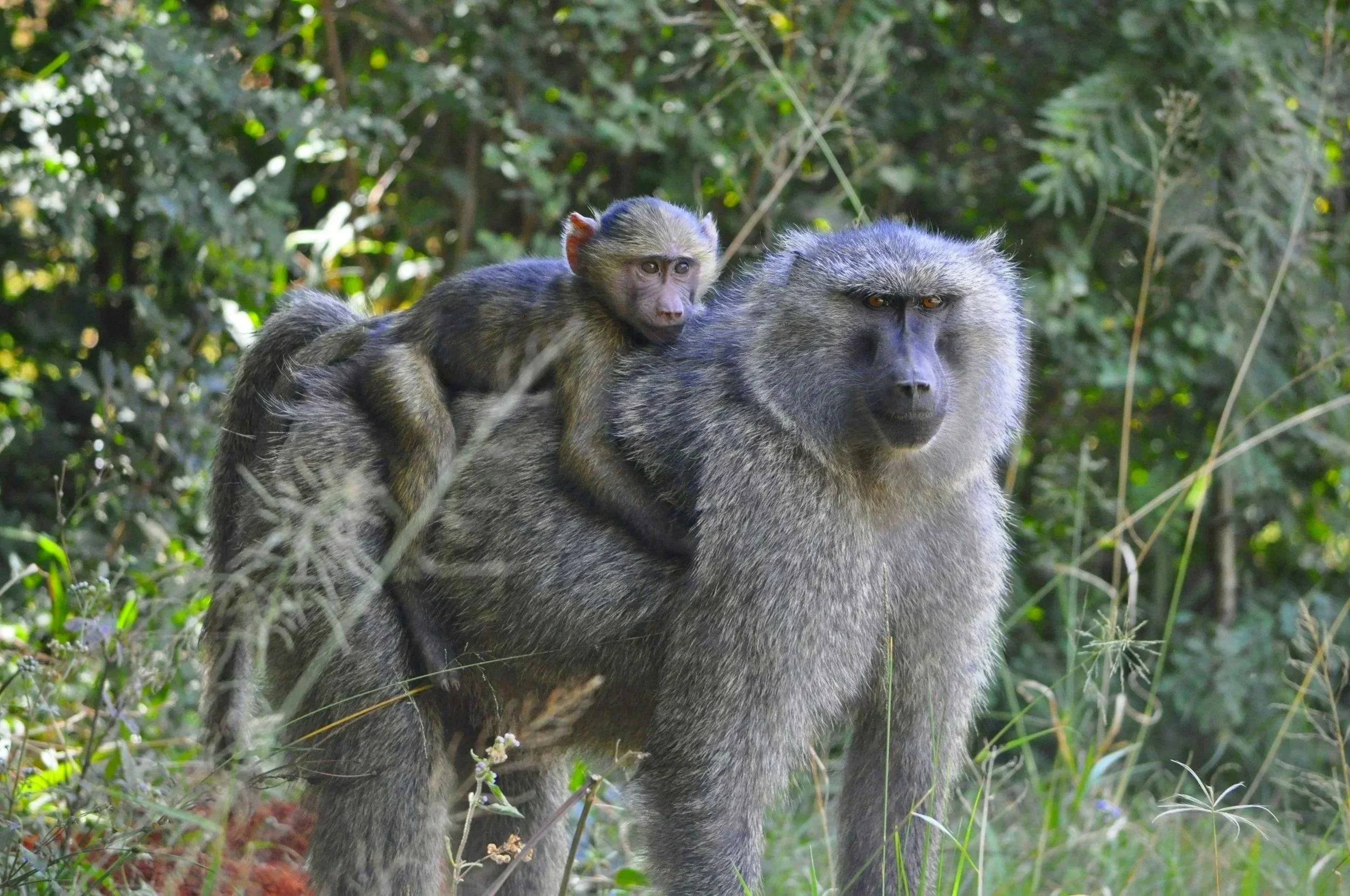
Kenya is home to several primate species, with baboons and Vervet monkeys the most widespread and commonly encountered. Baboons are ground-dwelling and live in large troops, while Vervet monkeys are more tree-dwelling, often foraging along forest edges and near water sources. Their social behavior makes for a regular and engaging part of wildlife viewing in Kenya.
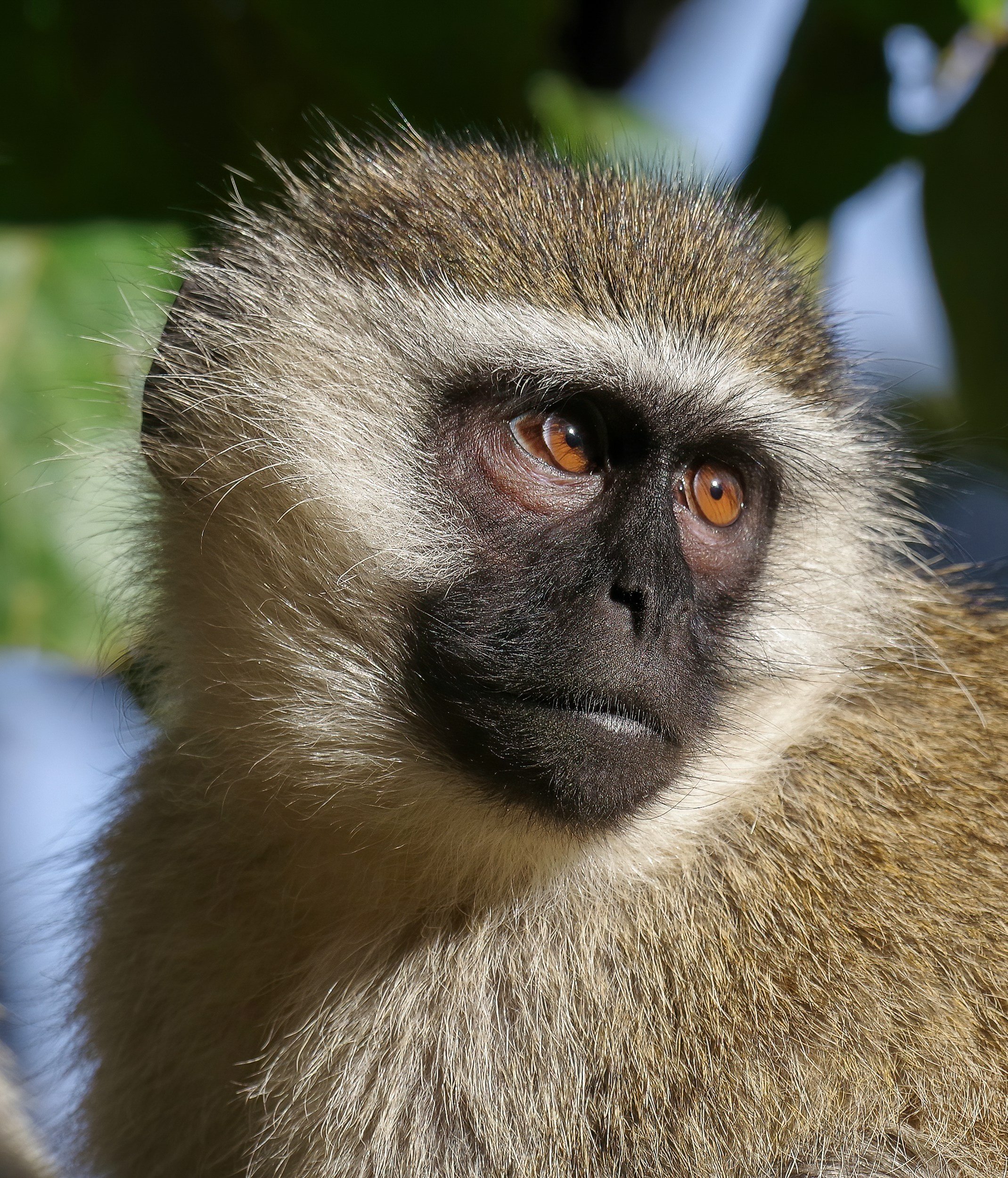
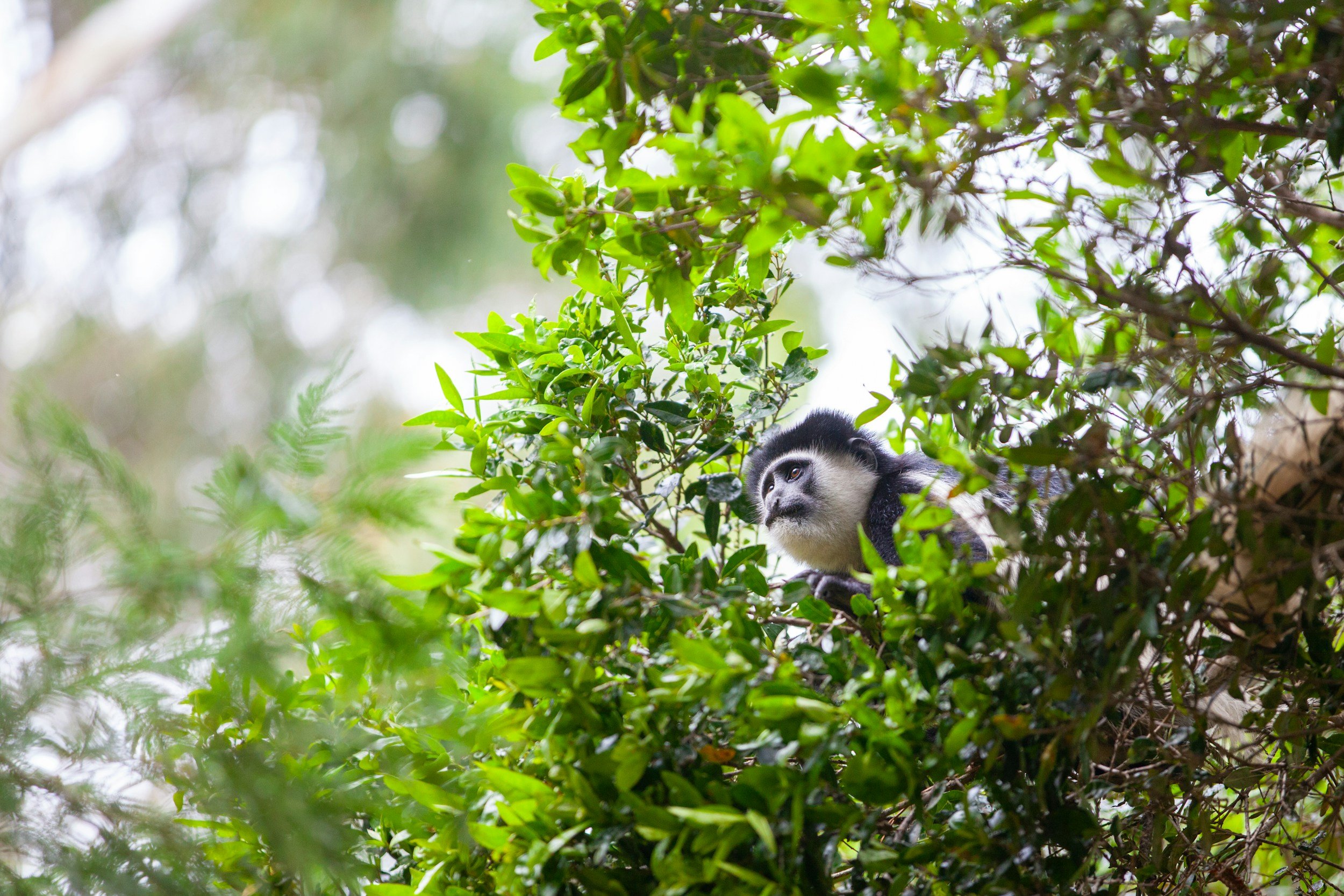
Blue monkeys and Sykes’ monkeys are primarily found in dense forests, where they forage in the canopy for fruit, leaves, and insects, often moving in small, agile groups. Black-and-white colobus monkeys inhabit montane and riverine forests, relying on mature trees and continuous forest cover. Easily identified by their long white mantles and tails, colobus monkeys play an important role in maintaining forest health through seed dispersal and vegetation control. These monkeys are more habitat-specific and therefore seen less frequently.