
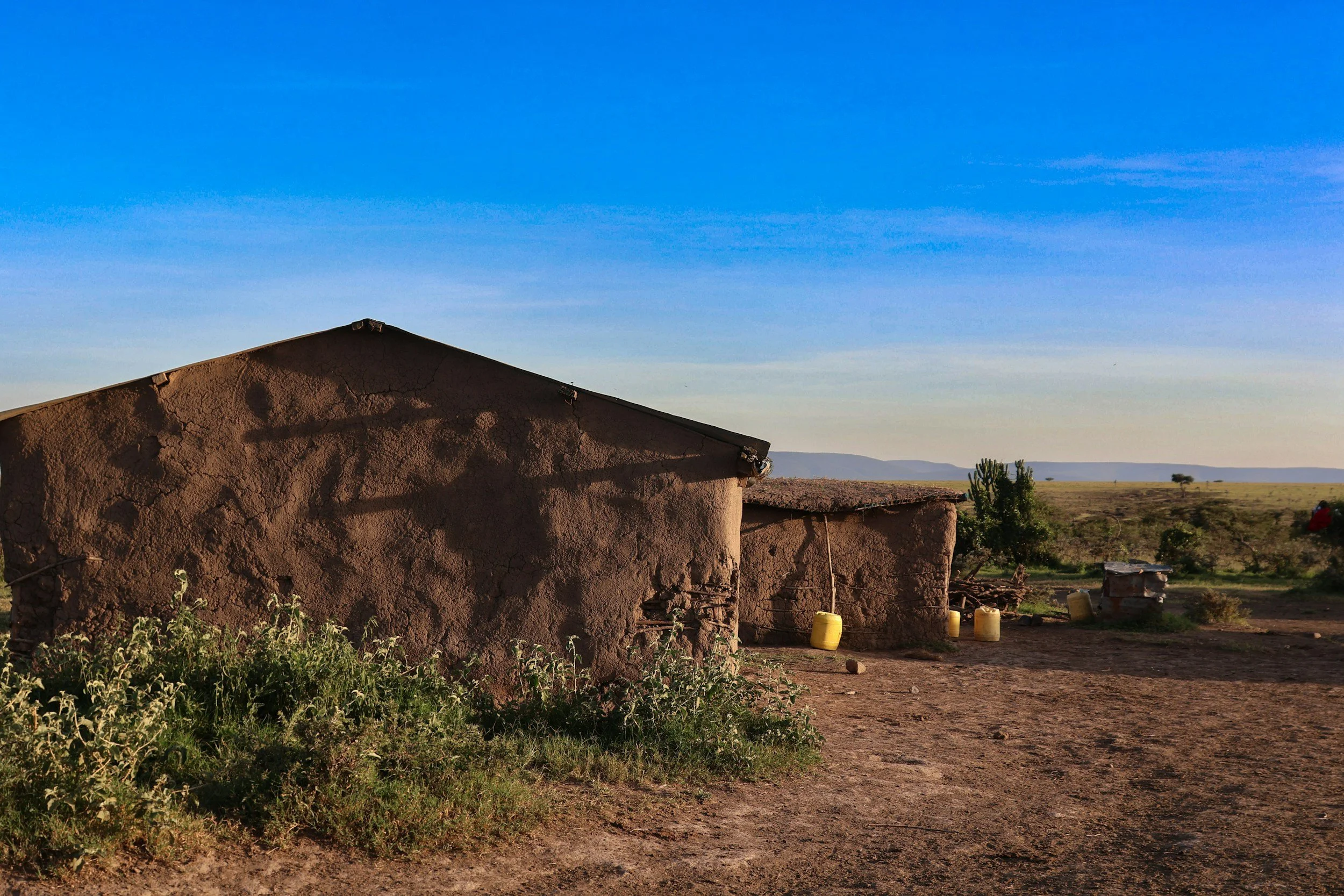
Meet the people of Kenya
Home to over forty ethnic communities, each with its own language, traditions, and relationship to the land.
Explore some of Kenya’s diverse communities and learn how they balance their traditions while embracing modern life.
Pastoralists
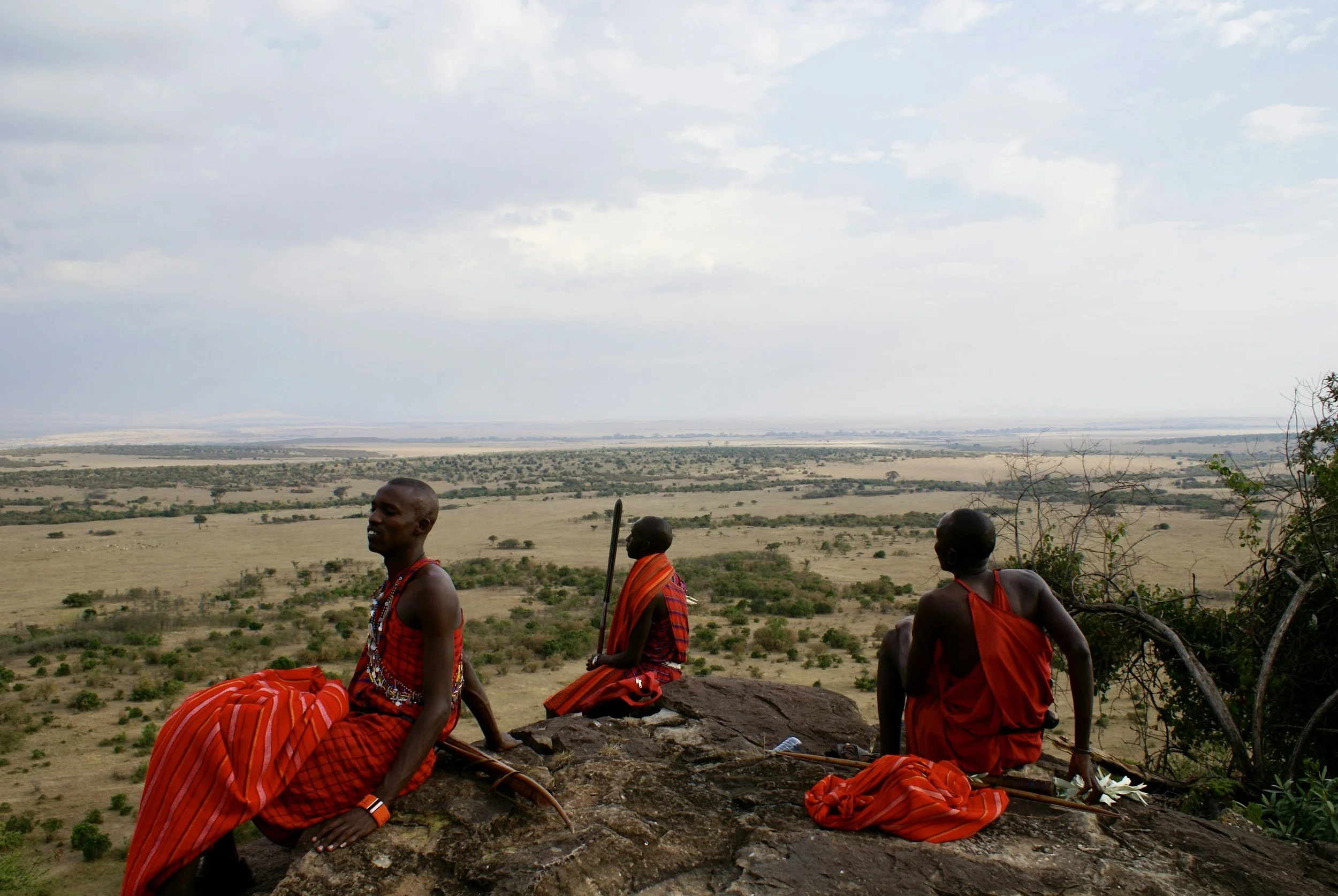
Pastoralist cultures have shaped Kenya’s open landscapes for centuries, living in close rhythm with the seasons. Livestock is central to their lifestyle and economy. grazing lands, and wildlife. Communities such as the Maasai, Samburu, Rendille, Borana, and Turkana maintain traditions centered on herding livestock, mobility, and deep environmental knowledge. Their distinctive dress and intricate beadwork reflect identity and status, while oral traditions pass knowledge and cultural values across generations, maintaining a strong connection to the land.
Highland Communities
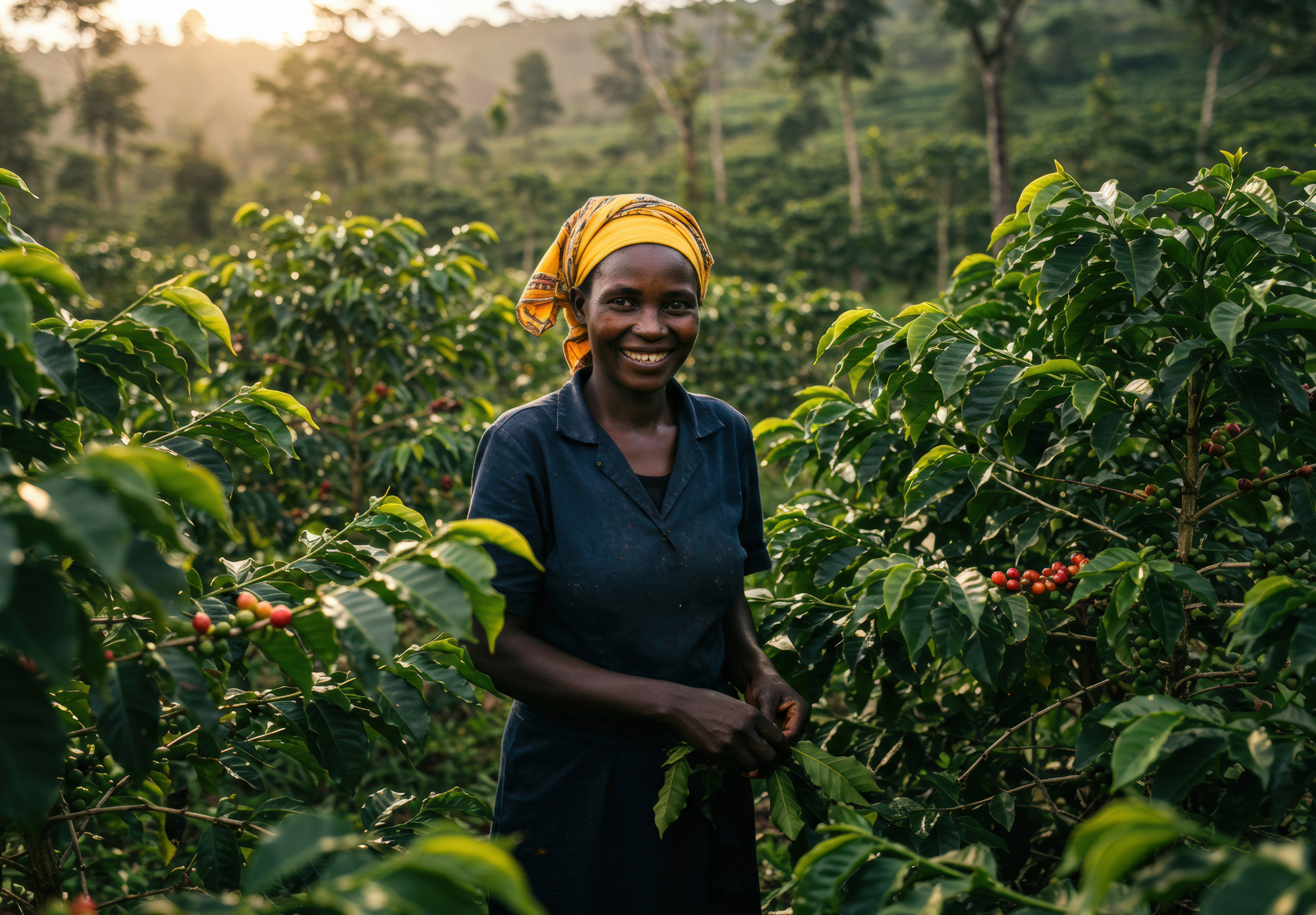
Kenya’s forests and fertile highlands are home to agricultural communities including the Kikuyu, Kalenjin, Meru, Embu, and Kisii. Shaped by cooler climates and rich soils, these regions form the agricultural heartlands of the country, where life centers on farming, land stewardship, and close-knit social structures. Tea, coffee, and subsistence agriculture form the backbone of local economies, while cultural practices remain deeply tied to land, ancestry, and seasonal rhythms.
Western Kenya Communities
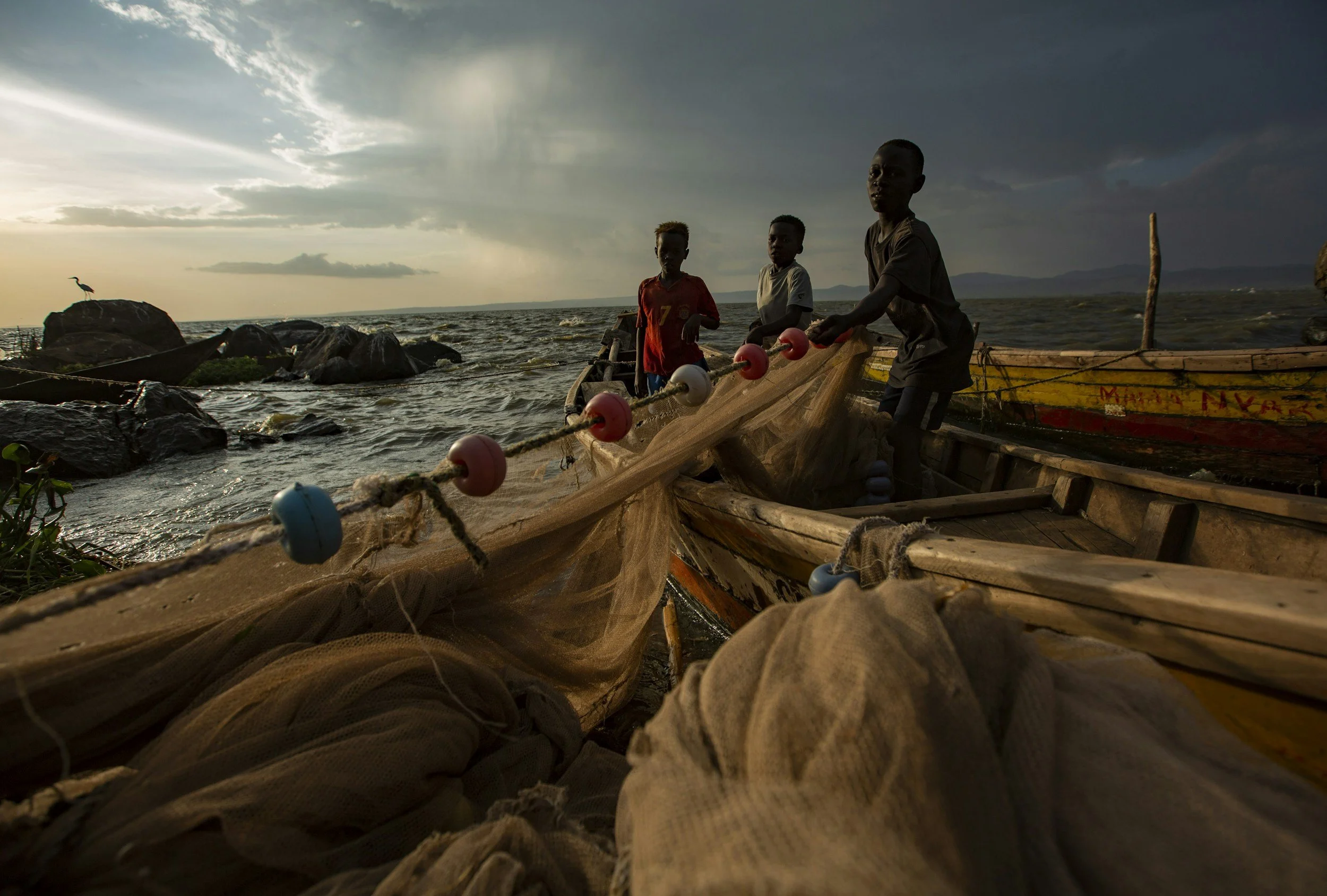
In Kenya’s western regions, including the shores of Lake Victoria, communities such as the Luo and Luhya have long shaped their lives around the land and water. The Luhya are primarily agriculturalists, cultivating fertile plains and sustaining crops, while the Luo are traditionally fishermen and pastoralists, living in harmony with rivers, wetlands
Coastal Communities
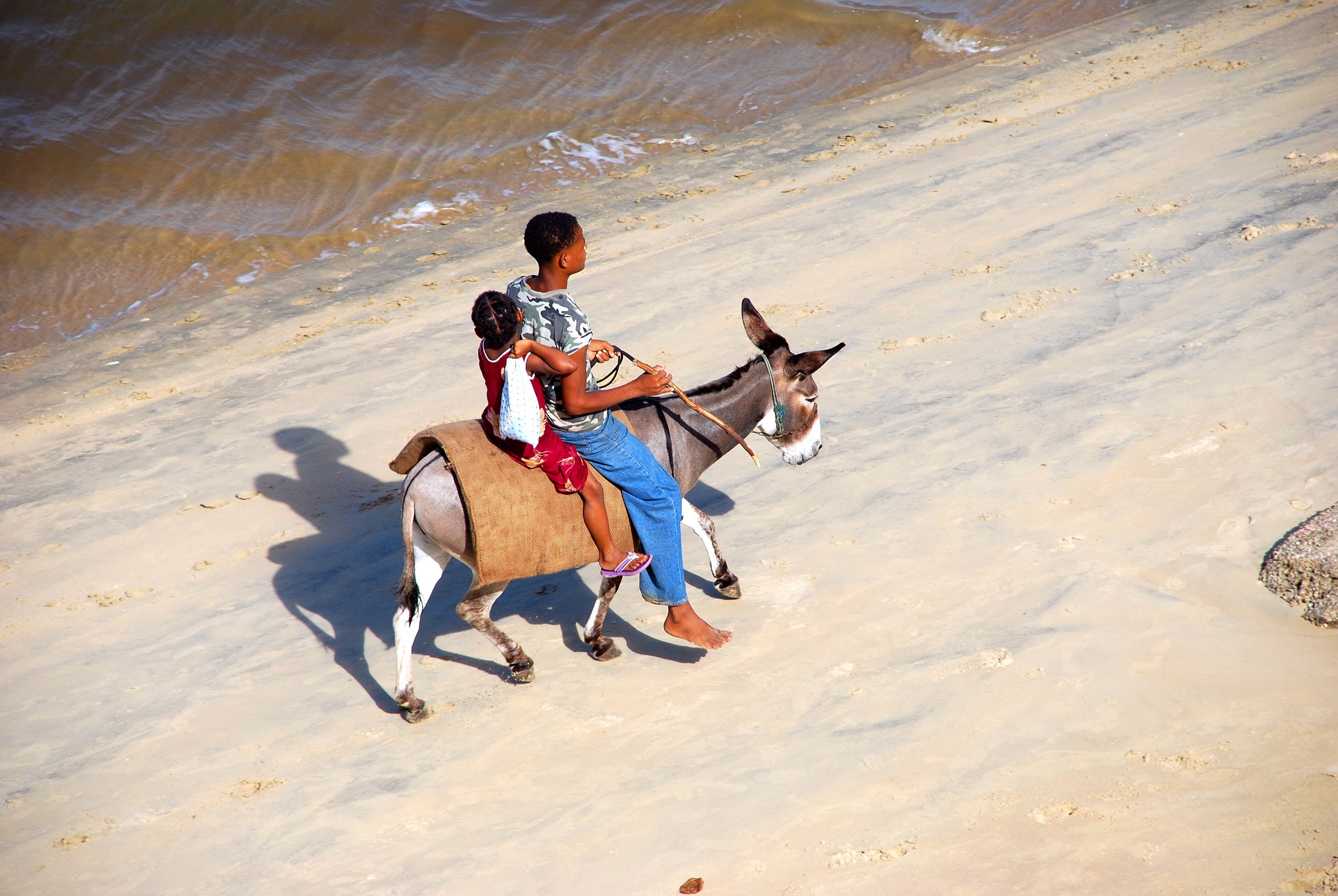
Along Kenya’s Indian Ocean coast, the Swahili and Mijikenda communities have developed a vibrant culture shaped by centuries of trade. African, Arab, and Asian influences are evident in architecture, cuisine, and maritime traditions, while coral towns and dhow sailing preserve a living coastal legacy. The Swahili language originates on the coast as part of this multicultural heritage and has since been adopted as one of Kenya’s official languages, spoken widely throughout the country.
Modern Kenya

Across Kenya’s towns and cities many languages are spoken daily, reflecting the country’s diversity and openness. Swahili and English, the nation’s official languages, provide a shared framework, while local languages continue to thrive. In Nairobi, Kenya’s capital, contemporary music, fashion, art, and cuisine blend tradition with innovation, creating a dynamic urban culture that honors Kenya’s roots while embracing modern life.